

Sri Lanka's government is fundamentally reshaping its tourism approach, moving away from focusing on visitor numbers to emphasizing the economic value generated by each tourist, amid concerns about sustainability and economic leakage.
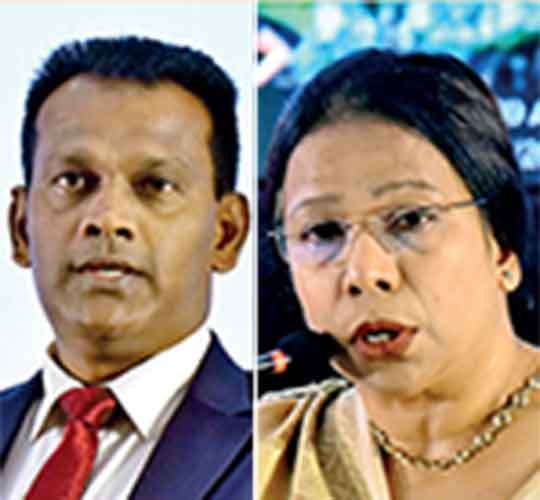
Sri Lanka's tourism policy is undergoing a significant shift in priorities, with government officials announcing a renewed strategic focus on visitor quality and spending rather than arrival volumes. Tourism Deputy Minister Prof. Ruwan Ranasinghe explained that the country's ecological constraints, limited land area, and vulnerable cultural heritage necessitate a ceiling on sustainable tourism capacity, making value generation the central objective going forward.
The policy reorientation comes at a critical juncture. Sri Lanka has already recovered its pre-pandemic visitor numbers, recording 2.36 million arrivals in 2025 and exceeding the 2018 benchmark. However, tourism revenue stands at approximately $3.2 billion, falling significantly short of pre-pandemic earnings levels. Tourism Ministry Secretary Aruni Ranaraja outlined an ambitious target of reaching $8 billion in revenue and 4 million visitors by 2030, but stressed that the focus must shift to what value each visitor generates for the country.
A key concern driving the new approach is economic leakage—the outflow of tourism spending to international airlines, overseas suppliers, and multinational hotel chains. Consultants and government officials emphasize that small and medium enterprises must be placed at the center of tourism development, creating opportunities for local transport providers, food businesses, accommodation operators, guides, and artisans. The strategy also proposes geographic diversification, with each province developing distinctive tourism products based on local assets rather than concentrating visitors around established attractions.
The comprehensive reassessment, which will span approximately 34 weeks, aims to move beyond producing another policy document to creating an implementable roadmap. National workshops are planned for mid-October and January, with final recommendations expected by February. Officials have stressed the importance of translating recommendations into concrete action, noting that Sri Lanka has accumulated numerous tourism studies without achieving meaningful transformation.