Sri Lankan businesses have been urged to prepare for new European Union packaging regulations that take effect this month, with compliance expected to affect major export sectors including tea, spices, and seafood.
Sri Lankan exporters face mounting pressure to align their packaging practices with new European Union requirements that came into general application on August 12, 2026. The EU's Packaging and Packaging Waste Regulation, which entered into force in February 2025, establishes standards for recyclability, recycled plastic content, product reuse, labeling consistency, producer responsibility and supply chain transparency. The regulation applies to all packaging placed on EU markets, including imported products, and is likely to create ripple effects throughout Sri Lanka's packaging manufacturing sector.
Key export industries including tea, spices, seafood and processed foods will be directly affected by the new rules. Companies may need to undertake comprehensive reviews of their packaging designs, material selection, supplier networks and sustainability documentation to maintain market access. Dr. Johann Hesse, head of cooperation at the European Union's delegation to Sri Lanka, emphasized that "early preparation will be essential to help businesses adapt smoothly, preserve access to the EU market, and strengthen their position in an increasingly sustainability-driven global economy."
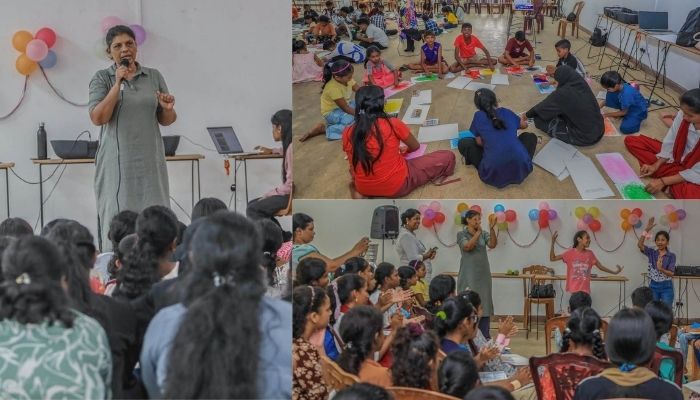
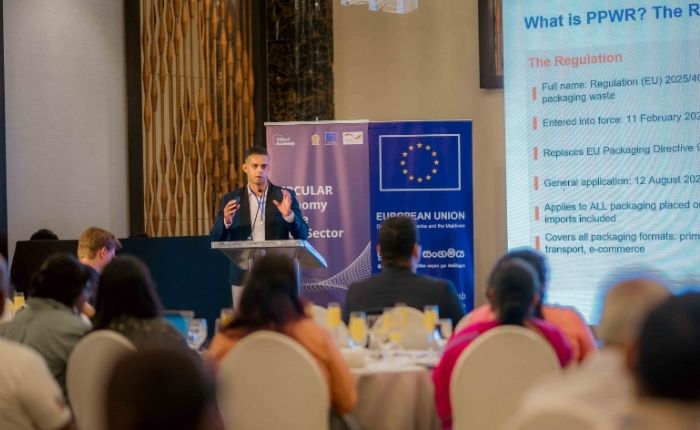
To assist Sri Lankan businesses in meeting these obligations, the EU-sponsored CIRCULAR Project organized a two-day seminar in Colombo on July 13-14, drawing more than 100 representatives from local companies. The training covered five main regulatory areas: recyclability standards, recycled content requirements, reuse protocols, harmonized labeling and waste prevention strategies. Participants also learned about upcoming regulatory milestones, including restrictions on certain chemicals in food-contact packaging beginning August 2026 and requirements for tea bags to be industrially compostable by February 2028.
Project managers stressed that sustainable packaging has evolved beyond an environmental consideration into a core business requirement. The CIRCULAR Project, jointly implemented by Expertise France, the UN Food and Agriculture Organization and GIZ, aims to help Sri Lankan industries transition toward circular economy practices while building more resilient food sector value chains.