The Sri Lankan government has responded to criticism from a UN Special Rapporteur regarding proposed constitutional amendments that would increase the retirement age of superior court judges, arguing the changes are necessary to strengthen the justice system rather than manipulate judicial composition.
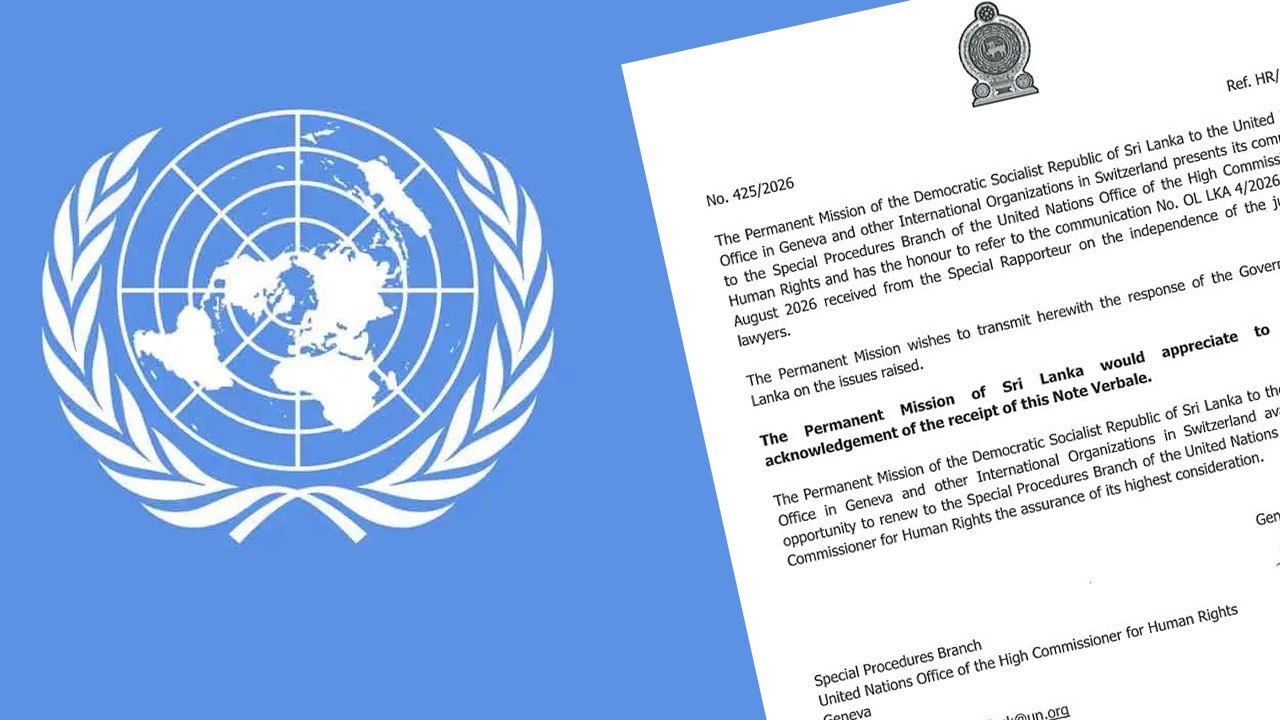
The Government of Sri Lanka has addressed concerns raised by UN Special Rapporteur on the Independence of Judges and Lawyers Margaret Satterthwaite regarding constitutional amendments that would extend the retirement age for judges in the superior courts. In its formal response submitted through Sri Lanka's Permanent Mission to the United Nations Office in Geneva, the government stressed that the proposed changes are not designed to extend the terms of specific judges or reshape the judiciary for political purposes.
The government outlined several objectives for the amendments, emphasizing that they aim to enhance the capacity and efficiency of the justice system. According to officials, the primary goals include reducing significant case backlogs, improving access to justice, enabling regional appellate jurisdiction, and preserving judicial expertise during a period of planned court expansion. The government maintained that these reforms align with both domestic needs and international obligations.
A key point of contention concerns whether the amendments would apply retroactively to judges currently serving. The government defended this inclusion, arguing that excluding sitting judges would undermine the legitimate objective of retaining experienced judicial officers. Officials stated that maintaining experienced judges during the planned expansion of courts would help newly appointed judges and newly established courts function effectively, while preventing the loss of institutional knowledge.
The government further asserted that including sitting judges serves as a safeguard against executive or legislative interference in the judiciary's composition and functioning, characterizing the approach as "reasonable, rational" within the specific context of the amendments. Officials reiterated Sri Lanka's "unequivocal commitment" to judicial independence, impartiality, and the rule of law.