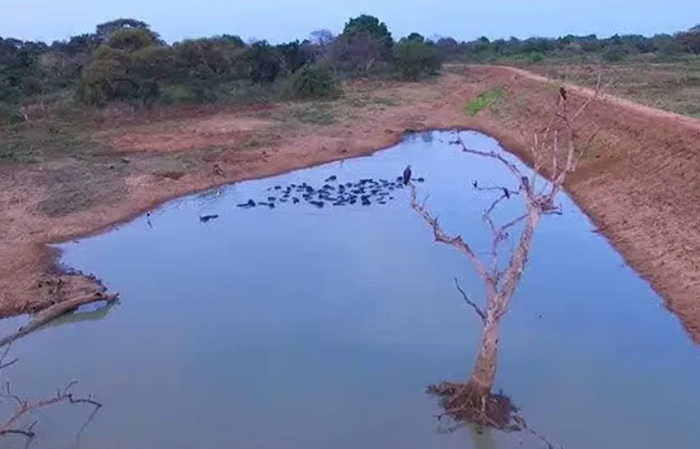
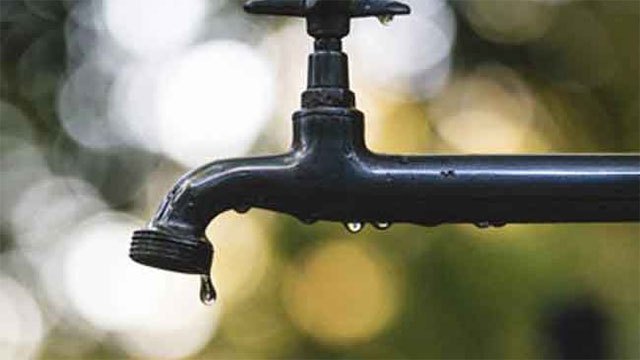
Water storage across Sri Lanka's 74 major reservoirs has dropped to just 36% capacity, with dry zone districts experiencing particularly severe shortages exacerbated by El Niño conditions.
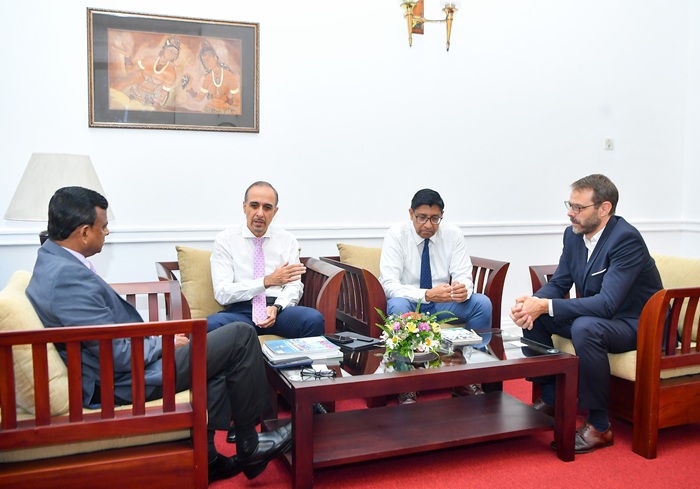
Sri Lanka is facing a significant water shortage as levels in the nation's major reservoirs have declined sharply, according to Irrigation Director Suriya Bandara. While water levels in wet zone reservoirs remain relatively stable, the dry zone is experiencing rapid depletion, with reservoirs in districts including Hambantota, Batticaloa, Monaragala, Mannar and Trincomalee already dropping below 30% capacity.
The Director attributed the worsening situation to the El Niño climatic phenomenon, which has intensified the typical August dry season and accelerated water evaporation due to excessive heat. This combination of natural climate patterns and elevated temperatures has significantly reduced available water reserves across the island.
While current drinking water supplies remain secure, water allocations for agricultural purposes have already been restricted in affected areas. Bandara emphasized that as water becomes scarcer, priority must shift toward maintaining drinking water supplies and protecting environmental needs, making it increasingly difficult to release water for cultivation. He stressed the need for water conservation and environmentally responsible practices to manage the crisis.
Beyond water scarcity, the Director warned of heightened fire risks given the current hot and dry conditions. He called for strict vigilance against forest fires, which could spread rapidly under present circumstances, and urged the public to monitor El Niño forecasts to better prepare for future climate challenges.


-852242_850x460.jpg)