The United States and Iran are sending conflicting signals about whether talks are underway to resolve their five-month conflict, with fresh attacks on vessels in the Strait of Hormuz underscoring the risks to global energy supplies.
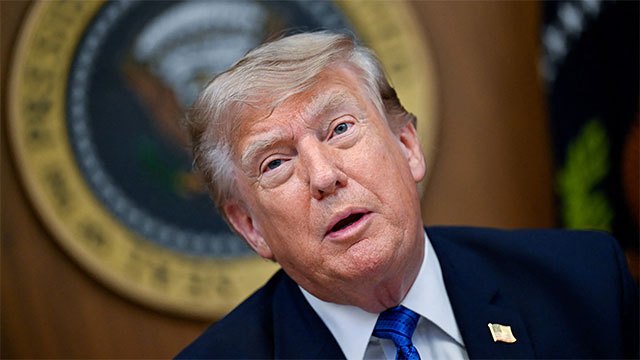
Disagreement between Washington and Tehran over the state of diplomatic efforts has deepened uncertainty about prospects for resolving their ongoing dispute. U.S. President Donald Trump stated on Monday that negotiations were proceeding at the request of multiple regional parties, describing the moment as a "last chance" for Iran to reach an agreement. However, Iran's Foreign Ministry spokesman Esmail Baghaei flatly denied that any talks were taking place or scheduled, asserting that Iranian negotiators remained in the country except for Foreign Minister Abbas Araqchi, who was visiting Iraq.
The conflicting accounts reflect a recurring pattern throughout the five-month conflict. Trump has previously threatened major military operations only to cancel them, citing diplomatic engagement as justification for the reversals. Iran has maintained a public stance rejecting negotiations since the breakdown of a memorandum of understanding in early July, though the exact circumstances around current contact channels remain opaque.
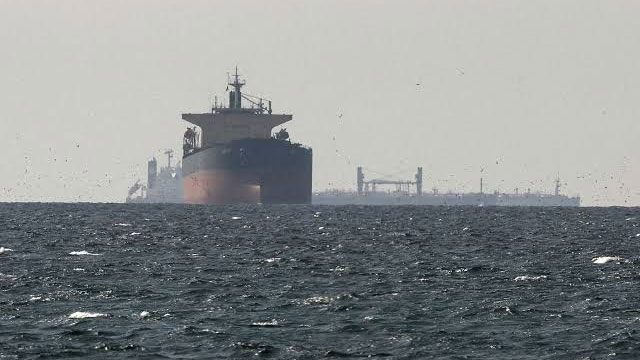
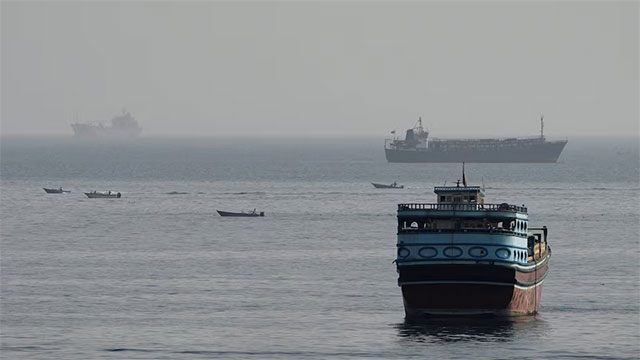
Meanwhile, shipping disruptions in the Strait of Hormuz continue to pose risks to global energy markets. A cargo vessel reported being struck by an unknown projectile near the waterway off Oman's coast, according to the UK Maritime Trade Operations agency. Transit numbers through the strait have slowed significantly, with only six vessels passing through on Monday compared to seven the previous day. The dispute centers partly on control of the strategic waterway, with Washington arguing a June agreement required Iran to keep it open, while Tehran maintains it retains authority over shipping traffic through the route.
Markets responded positively to hints of diplomatic progress, with Brent crude falling approximately 7% to $83.77 per barrel and major stock indexes reaching record levels. Analysts suggest Iran may be employing a strategy of applying sustained economic pressure through disruption of regional trade and energy infrastructure, betting that the rising costs of confrontation will outweigh the benefits of maintaining the current stance.