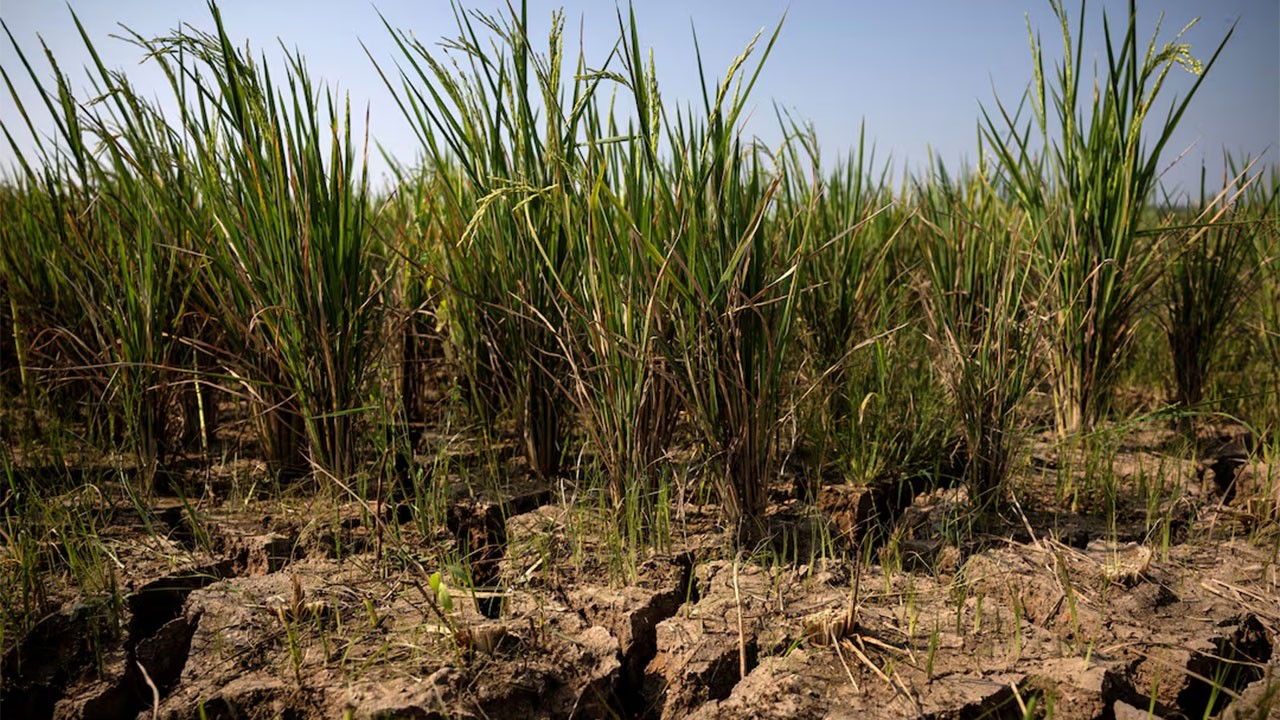
The World Food Programme has warned that a powerful El Niño weather event could push nearly 49 million additional people into acute food insecurity across vulnerable regions, with Central America and Southern Africa facing the most severe impacts.
A strong El Niño event could significantly worsen global food insecurity, according to a report released by the World Food Programme on Wednesday. The UN agency identified an 81% probability of a very strong El Niño occurrence, with ocean temperatures reaching their highest levels since at least 1982 and potentially marking the strongest such event since 1950. Based on analysis of 45 vulnerable countries, the WFP estimates that acute food insecurity could affect 274 million people by the end of next year—a 22% increase from current baseline levels.
The anticipated impacts would be distributed unevenly across regions, with Central America and Southern Africa facing particularly severe consequences. Central America could experience an 83% increase in food-insecure populations, while Southern Africa may see a nearly 75% rise. Additional regions including South America and the Caribbean are each projected to have more than 12 million people fall into acute food insecurity. El Niño's typical effects include droughts in Southern Africa, delayed monsoons in parts of Asia, and unpredictable rainfall patterns elsewhere.
While global food markets currently maintain relative strength following good 2025 harvests, WFP officials cautioned that multiple risk factors could destabilize this position. Ongoing Middle Eastern conflicts and potential weather-related crop losses could elevate food prices, though historical El Niño events have not typically triggered major global price spikes. However, regional shortages and localized price increases could particularly harm vulnerable households' food access.
The agency emphasized the need for immediate preparatory action but faces significant obstacles in monitoring the emerging crisis. Funding reductions from U.S. and European donors have reduced household surveys from approximately 1.1 million in 2024 to 800,000 in 2025, with further declines this year. The WFP has already scaled up anticipatory assistance programmes in 18 countries, assisting over 1.3 million people with cash and other support to prepare for potential extreme weather.