

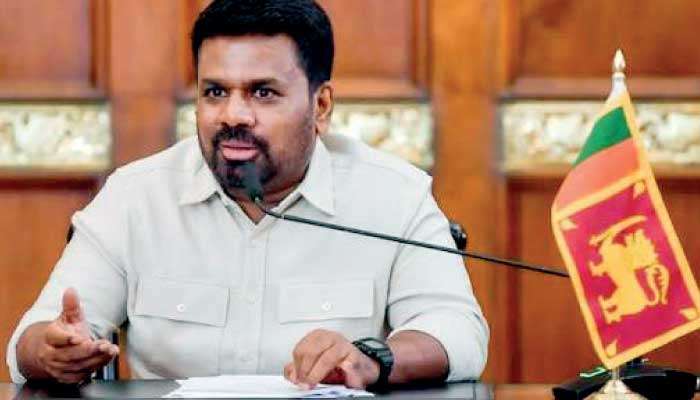
A Human Rights Watch report has found that the Dissanayake Government has made only limited progress in prosecuting grave human rights violations from Sri Lanka's past conflicts, with many emblematic cases remaining stalled despite promises of accountability.
Human Rights Watch released a 49-page report yesterday expressing concern over the pace of justice efforts in Sri Lanka, particularly regarding high-profile cases of past abuses. The organisation interviewed 32 victims, family members of disappeared persons, and human rights defenders while reviewing court documents to assess prosecutions related to seven significant cases. The report found that while the Government has made some headway since taking office in 2024, many emblematic cases—including a massacre of aid workers, targeted killings of journalists, and enforced disappearances—remain unresolved.
The Dissanayake administration has pursued investigations into certain cases previously stalled under previous Governments. These include the 2009 murder of newspaper editor Lasantha Wickrematunge, the 2010 enforced disappearance of journalist Prageeth Ekneligoda, and an investigation into the 2019 Easter Sunday bombings, which led to the arrest of a former military intelligence officer in February 2026. However, Human Rights Watch found that the Government has not demonstrated sufficient urgency in addressing impunity for grave abuses, with no progress reported on cases involving the 2006 killing of five Tamil students and a 2010 massacre by members of a French aid organisation that claimed 17 lives.
A significant concern raised in the report involves ongoing threats and intimidation directed at victims' families and human rights defenders. The Government has not accepted the UN-established Sri Lanka Accountability Project and has declined to establish an independent Directorate of Public Prosecution, instead supporting previous initiatives such as the Office on Missing Persons, which many victims' families reject as delaying tactics.
Human Rights Watch called on UN officials and member countries to pressure the Dissanayake Government to demonstrate genuine commitment to accountability. The organisation noted that Sri Lanka has a long history of failed accountability efforts, with successive Governments appointing more than ten commissions since the 1990s without resulting in prosecutions or clarity on thousands of disappearances.