

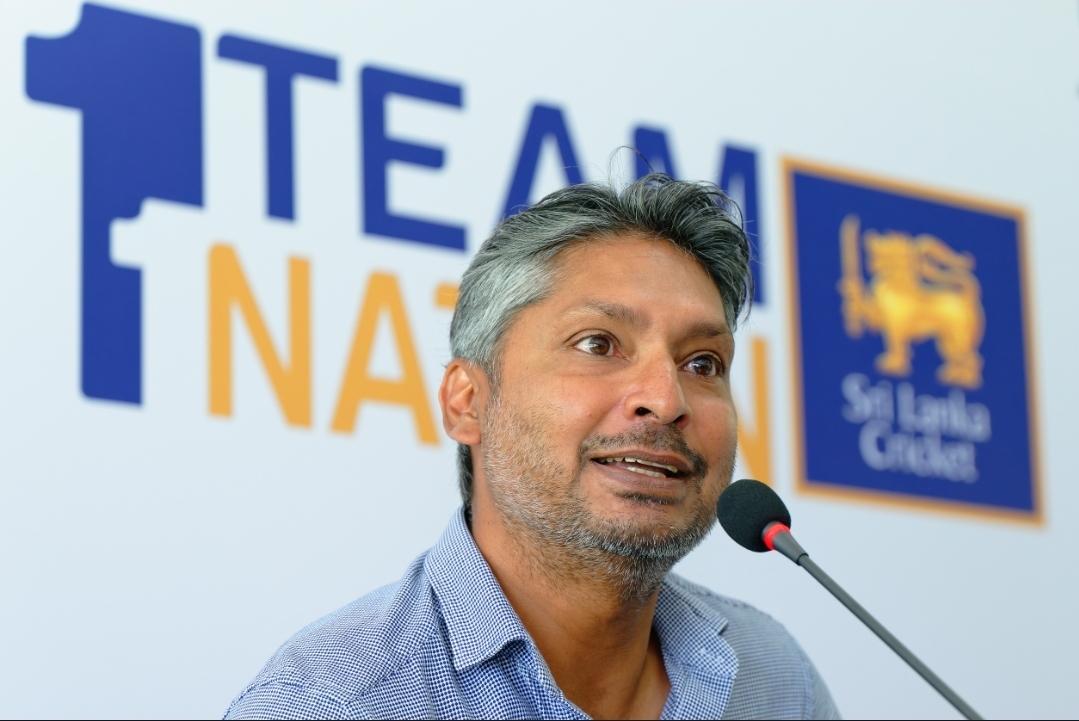
Former Sri Lanka captain Kumar Sangakkara has urged cricket authorities to establish a more equitable international calendar for Test cricket, warning that the format faces sustainability challenges for smaller cricket boards despite its strategic importance.
Kumar Sangakkara, the former Sri Lanka skipper, has voiced concerns about the unequal distribution of Test cricket opportunities across the international cricket calendar. Speaking on the broader challenges facing the longest format, Sangakkara noted that these issues extend beyond Sri Lanka Cricket and have become a recurring topic at International Cricket Council discussions and within the global cricket community.
The primary obstacle, according to Sangakkara, is financial viability. While England and Australia maintain their traditional touring schedules and India frequently tours other nations due to commercial appeal, smaller cricket boards struggle to generate sufficient revenue from Test matches. Sangakkara pointed to nations like Afghanistan and Ireland, which hold Test status but play limited matches annually, highlighting how staging Test cricket could eventually become financially unsustainable. He stressed that except for the top three or four cricket-playing nations, Test cricket generates minimal revenue, creating a structural disadvantage for most countries.
Sangakkara emphasized that addressing this imbalance requires multifaceted action. He advocated for establishing minimum Test match quotas per series, noting that while previous discussions targeted three-Test series as standard, some countries now play only single-off encounters. Additionally, he suggested that revenue from lucrative Twenty20 and one-day formats could be channeled to support Test cricket development. Promotion also plays a crucial role—Sangakkara argued that Test cricketers deserve marketing attention comparable to T20 stars, with administrators required to "build stories" around leading performers.
Looking ahead, Sangakkara urged Sri Lanka to actively negotiate with other cricket boards and influence future scheduling arrangements to secure more Test opportunities. He contended that maintaining a strong Test side is essential for sustained success across all formats, positioning the issue not merely as format preservation but as fundamental to Sri Lankan cricket's long-term competitiveness.