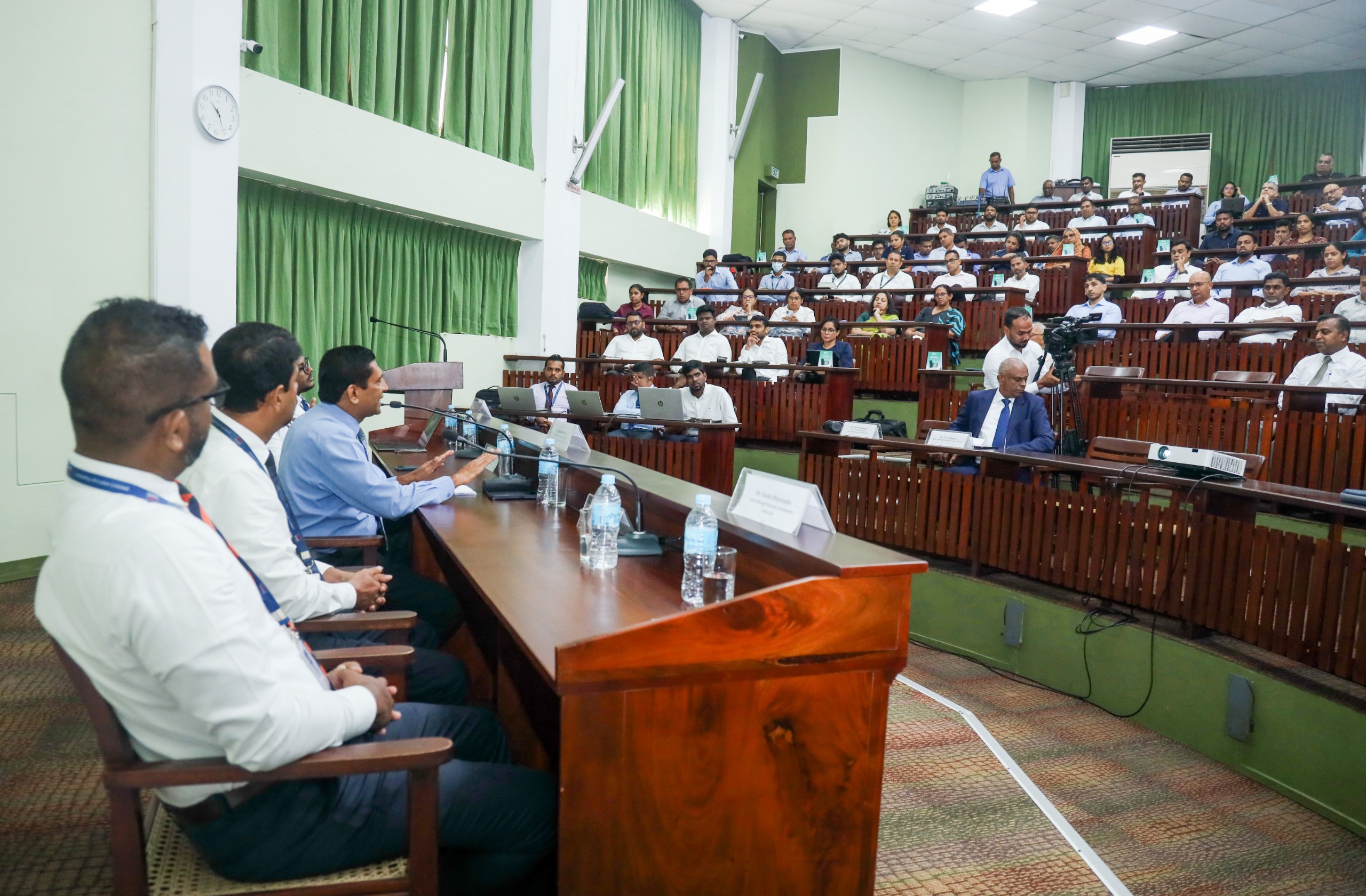
Informal roadside vendors and poorly planned public infrastructure along Sri Lankan roads create cumulative hazards that have become normalized, posing risks to pedestrians, cyclists, motorists, and vendors themselves, according to urban safety analysis.
Roadside kiosks, fruit carts, and food stalls have become a ubiquitous feature of Sri Lankan streets, providing livelihoods for thousands of small traders in a challenging economy. However, according to analysis by a senior urban planning commentator, the physical space these structures occupy has created a growing public safety concern that has been largely overlooked.
The hazards take multiple forms. Low-hanging canopies and umbrellas extending into pedestrian pathways force people to either duck or step into traffic. Poorly positioned bus stops and infrastructure leave passengers standing directly beside moving vehicles. Structures built on unstable foundations near drainage channels risk collapse during heavy monsoon rains. Rainy conditions compound these dangers by reducing vehicle traction and visibility while causing canopies to sag further. What distinguishes these risks is their ordinariness: pedestrians and motorists have adapted to them rather than challenge them, transforming obvious hazards into normalized background features.
The structural failures extend beyond informal traders to formal infrastructure planning. Bus stops positioned too close to carriageways with insufficient clearance represent planning and placement errors rather than vendor encroachment, yet receive less scrutiny than informal stalls. Urban experts argue this reflects a broader gap: local authorities have rarely designated safe, set-back vending zones, leaving traders to occupy the only available roadside spaces.
Addressing the problem requires three coordinated steps: designating proper vending areas through consultation with traders, establishing and enforcing minimum clearance standards consistently, and designing new public infrastructure with accessibility and clearance principles from inception. Analysts emphasize that solutions need not target vendors as adversaries but rather acknowledge that road safety impacts fall disproportionately on those least able to absorb accident consequences—daily-wage workers, pedestrians without private transport, and elderly residents.