
நேர்காணல்: ஆர்.ராம் “நான் மரணிப்பதற்குள் இடைக்காலத் தீர்வொன்றைக் கொண்டுவராது விட்டால் உலகநாடுகள் அனைத்தும் சேர்ந்து எம்மை அழித்துவிடும் என்று அன்ரன் பாலசிங்கம் 2002இல் என்னை சந்தித்தபோது கூறினார்” “ரஜீவ்-மேனன் பாடசாலையின் இராஜதந்திர அணுகுமுறை பின்னடைவுகளைச் சந்தித்துவிட்ட நிலையி…
நேர்காணல்: ஆர்.ராம் “நான் மரணிப்பதற்குள் இடைக்காலத் தீர்வொன்றைக் கொண்டுவராது விட்டால் உலகநாடுகள் அனைத்தும் சேர்ந்து எம்மை அழித்துவிடும் என்று அன்ரன் பாலசிங்கம் 2002இல் என்னை சந்தித்தபோது கூறினார்” “ரஜீவ்-மேனன் பாடசாலையின் இராஜதந்திர அணுகுமுறை பின்னடைவுகளைச் சந்தித்துவிட்ட நிலையில் தொப்புள்கொடி உறவு என்ற விடயத்தினை இந்தியா தனது வெளிவிவகார மூலோபாயத்தினுள் உள்ளீர்க்க வேண்டும்”
“தமிழ் பேசும் மக்கள் என்ற மாலையில் மூன்று மணிகளான தமிழர்கள், முஸ்லிம்கள், மலைய மக்கள் ஆகியவற்றை கோர்ப்பதற்காக எஞ்சிய காலத்தில் செயற்படவுள்ளேன்”
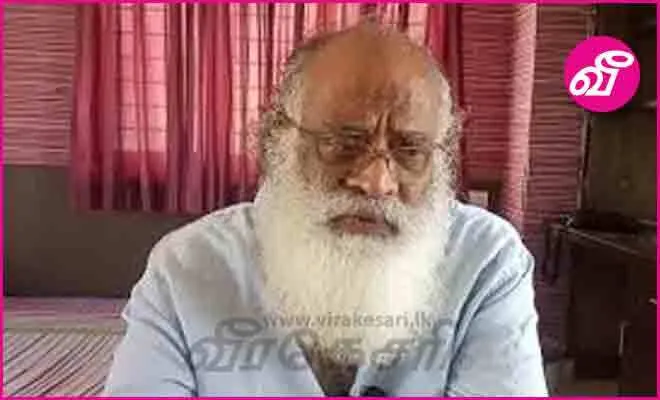
பௌத்த தேரர்களே பிரபாகரனை உருவாக்கினார்கள் என்பதை சிங்கள மக்கள் புரிந்து கொள்ளும் அதேவேளை, தேரர்கள் அடாவடியாக ஆக்கிரமிப்புக்களைச் செய்வதானது, மீண்டும் பிரபாகரனை உருவாக்குவதற்கான செயற்பாடாகவே உள்ளது என்பதை அரசாங்கமும், சிங்கள மக்களும் உணரவேண்டுமென கவிஞர், நடிகர், சமூக செயற்பாட்டார் என்று பன்முக ஆளுமையாளரான வ.ஐ.ச.ஜெயபாலன் வீரகேசரிக்கு வழங்கிய விசேட செவ்வியின்போது தெரிவித்தார். அச்செவ்வியின் முழுவடிவம் வருமாறு,
கேள்வி: சிறிய இடைவெளிக்குப் பின்னர் இலங்கைக்கு வந்திருக்கும் உங்களின் அவதானிப்பு என்னவாக உள்ளது? பதில்: தமிழர்கள், முஸ்லிம்கள், மலைய மக்கள் எத்தனை பிரச்சினைகளுக்கு முகங்கொடுத்தாலும், இலங்கைத் தீவு என்கின்ற கப்பலில் தான் அனைவரும் இருக்கின்றார்கள். தற்போது பொருளாதார நெருக்கடி என்ற பாறையில் இந்தக் கப்பல் மோதிநிற்கிறது. இவ்வாறான தருணத்தில், ஒவ்வொரு இனக்குழுமங்களும் தமது போராட்டங்களை, கோரிக்கைகளை சரணாகதியாடையச் செய்யாது மோதிநிற்கும் கப்பலை காப்பாற்ற வேண்டிய பெரும்பணியொன்று உள்ளது. இந்தச் சூழலில் தத்தமது அபிலாஷைகளுக்காக போரடிக்கொண்டிருக்கும் தமிழ் பேசும் தரப்பினர் தமது போராட்டத்தினையும், மோதிநிற்கும் கப்பலை(இலங்கையை) காப்பாற்றுவது எவ்வாறு என்றே சிந்திக்க வேண்டியுள்ளது. கேள்வி: தமிழ் பேசும் மூன்று இனக்குழுமங்களின் அபிலாஷைகளை தற்போது வரையில் பெரும்பான்மை ஏற்றுக்கொள்ளாத நிலையில் கடந்தகால கசப்பான விடயங்களை மறந்து பொருளாதார நெருக்கடியிலிருந்து நாட்டை மீட்பதற்காக கைகோர்ப்பது சாத்தியமாகுமா? பதில்: தமிழ், முஸ்லிம், மலையக மக்கள் தங்கள் கோரிக்கைகளை, போராட்டங்களை கைவிட்டு சரணாகதியடைய வேண்டியதில்லை. ஆனால், இலங்கை என்ற ஒரே தீவில் தான் அனைத்து இனக்குழுமங்களும் வாழ்கின்றன. ஆகவே, பெரும்பான்மையினருக்கு பொருளாதார நெருக்கடியிலிருந்து மீள்வது பெரும் போராட்டமாக மாறியுள்ள நிலையில் இந்தச் சந்தர்ப்பத்தினை சதகமாக பரிசீலிக்க வேண்டியது அவசியமாகின்றது. கேள்வி: பொருளாதார நெருக்கடிகள் தீவிரமாகிக்கொண்டிருக்கின்ற ஏககாலத்தில், வடக்கு, கிழக்கு பகுதிகளில் ஆக்கிரமிப்புக்கள் பல்வேறு வடிவங்களில் தொடர்ந்து கொண்டிருக்கின்றன. பெரும்பான்மையின் மனோநிலையில் இன்னமும் மாற்றம் ஏற்படாத நிலையில் எவ்வாறு தமிழ், முஸ்லிம் சமூகங்கள் பொருளாதார மீட்சிப் போராட்டத்தில் பங்கேற்க முடியும்? பதில்: பெரும்பான்மை சிங்கள மக்கள் பொருளாதார நெருக்கடியிலிருந்து மீள்வதாக இருந்தால் இலங்கை என்பது நான்கு இனங்கள் வாழும் கப்பல் என்பதை ஏற்றுக்கொள்ள வேண்டும். அதற்கு சிங்கள, பௌத்த சாயமிடுவதை தவிர்க்க வேண்டும். காலிமுகத்திடல் போராட்டங்களின்போது, வடக்கு,கிழக்கில் உள்ள தமிழ் பேசும் மக்களின் நிலங்களை திட்டமிட்டு ஆக்கிரமித்து அடாவடி செய்யும் பௌத்த தேரர்களை, படைகளை அச்செயற்பாட்டை நிறுத்துமாறு எந்தவொரு குரலும் வெளிப்பட்டிருக்கவில்லை. அதில் பங்கேற்ற முற்போக்குவாதிகள் மட்டுமே தமிழர்களின் பிரச்சினைகள் பற்றிப் பேசினார்கள். ஏனையவர்கள் ‘நவீன தராளவாத சிங்கள பேரினவாதம்’ என்ற சித்தாந்திற்குட்பட்டே கருத்துக்களை வெளிப்படுத்தினார்கள். அதாவது, ஜே.வி.பியும் தவறிழைத்தது. தமிழர்களின் போராட்ட இயக்கங்களும் தவறிழைத்தன. அதனால் அழிந்து போயின என்பதே அவர்களின் சிந்தனை வெளிப்பாடாக உள்ளது. இதுமிகவும் ஆபத்தான பேரினவாத சிந்தனையாகும். இதனை முளையிலேயே கிள்ளி எறிந்துவிட வேண்டும். இலங்கையின் வரலாற்றில்; பண்டாரநாயக்க உள்ளிட்ட தலைவர்கள், தமிழ் பேசும் மக்களின் கண்ணீரிலும், செந்நீரிலும் தான் சிங்கள, பௌத்த பேரிவானத்தை அடியொற்றி அநீதியான ‘சமூக நீதியை’ கட்டியெழுப்பினார்கள். அவ்வாறான நிலையில், இனங்களுக்கு இடையில் நீதியான சமூக நீதி காணப்படாது சுபீட்சத்தினை நோக்கி எந்த முயற்சிகளை எடுத்தாலும் அது நிச்சயமாக வீழ்ச்சியடையுமே தவிர வெற்றியளிக்காது. இதனையே தற்போதைய பொருளாதார நெருக்கடியும் உணர்த்தியுள்ளது. அதுமட்டுமன்றி, இந்தப்பொருளாதார நெருக்கடியானது குறுங்காலத்தில் ஏற்பட்;டதொன்றல்ல. அவ்வாறு கருதுவதே ஒருவிதமான மனோவியாதிதான். இந்தப்பொருளாதார நெருக்கடி அநீதியான சமூக நீதிக் கட்டமைப்பினால் உருவானது. அதற்கு சேனநாயக்க முதல் கோட்டாபய வரையில் அனைவரும் காரணமாக இருக்கின்றனர். அதனை பெரும்பான்மை மக்கள் முதலில் ஏற்றுக்கொள்ள வேண்டும். அதன் பின்னரே அனைவரும் ஏற்றுக்கொள்கின்ற ‘அரசியல், பொருளாதார முறைமையை’ கட்டியெழுப்பலாம். கேள்வி: பௌத்த மதம் முன்னிலைப்படுத்தப்பட்டுக்கொண்டும், அதனை மையப்படுத்தி ஆக்கிரமிப்பு நடவடிக்கைகள் தொடருக்கின்ற நிலையிலும் ‘முறைமை மாற்றம்;’ சாத்தியமாகுமா? பதில்: அசோக மன்னன் பௌத்தத்தை தழுவுவதற்கு முன்னதாக, சங்கமித்தை இலங்கைக்கு வருகை தருவதற்கு முன்னதாகவே தமிழர்கள் பௌத்தத்தினை பின்பற்றிய வரலாறுகள் உள்ளன. சோழர்கள் பௌத்தர்களை விரட்டியபோது நெடுத்தீவில் முக்குவர்களின் படகுகளில் பௌத்தர்கள் தப்பிச் சென்ற வாய்வழி வரலாற்று பதிவுகள் உள்ளன. அவை ஆய்வுக்கும் உட்பட்டவை. அநுராதபுரத்தில் தமிழப் பள்ளி என்றும் திருமலையில் இராஜ ராஜ பெரும்பள்ளி என்றும் உள்ளன. அவை இரண்டும் தமிழ் பௌத்த விகாரைகள் என்பது நன்கு அறியப்பட்டதாகிறது. அதனை சிங்கள மக்களும் அறிந்திருப்பார்கள். ஆகவே தமிழ் பௌத்தர்கள் இருந்தார்கள் என்பது சிங்கள மக்களுக்கு தெரியாததொன்று அல்ல. அவ்வாறான நிலையில் வடக்கு,கிழக்கில் பௌத்த எச்சங்கள் கண்டெடுக்கப்படுகின்றபோது அவை தமிழ் பௌத்தர்களுக்கு உரியவை என்ற மனோநிலைமை அவர்களுக்கு ஏற்பட வேண்டும். துரதிஷ்டவசமாக அவர்கள் மனத்தில் பௌத்த எச்சங்களைப் பயன்படுத்தி ஆக்கிரமிப்புச் செய்யும் மனேநிலையே நீடிக்கின்றது. அதேநேரம், பௌத்த தேரர்களே பிரபாகரனை உருவாக்கினார்கள் என்பதை சிங்கள மக்கள் புரிந்து கொள்ள வேண்டும். பௌத்த தேரர்கள் அடாவடியாக ஆக்கிரமிப்புக்களைச் செய்வதானது, மீண்டும் பிரபாகரனை உருவாக்குவதற்கான செயற்பாடாகவே உள்ளது என்பதை அரசாங்கமும், சிங்கள மக்களும் உணரவேண்டிய தருணமிதுவாகும். பௌத்த தேரர்கள் தமிழர்களின் மண்ணில் விசவித்துக்களை தூவுகின்றனர். ‘அரகலயவினருக்கு’ உண்மையான அறம் இருக்குமென்றால் இவ்வாறான பௌத்த தேரர்களை எதிர்க்க வேண்டும். கேள்வி: தமிழ், முஸ்லிம், மலைய தேசிய இனங்களின் அரசியல் பிரதிநிதிகளுடைய அணுகுமுறையை எவ்வாறு பார்க்கின்றீர்கள்? பதில்: வடக்கிலே தமிழ் மக்கள் பெரும்பான்மையாக வாழ்கிறார்கள் அங்கு மலையக மக்களும் முஸ்லிம் மக்களும் எண்ணிக்கையில் சிறுபான்மையாக உள்ளார்கள். அவ்வாறான நிலையில் அந்த மக்களின் அபிலாஷைகளை முழுமையாக ஏற்றுக் கொள்வதற்கு தமிழ் மக்களிடத்தில் இன்னமும் தயக்கம் உள்ளது. அதேபோன்று கிழக்கு மாகாணத்திலும் தமிழ், முஸ்லிம் இன குழுமங்கள் மத்தியில் தயக்கங்கள் காணப்படுகிறன. இந்த நிலைமைகள் மாற்றப்பட வேண்டும். வட, கிழக்கு இணைந்த தமிழர் தாயகத்தில் சுயநிர்ணய தீர்வை கோருவதாக இருந்தால் முஸ்லிம்களின் அபிலாஷைகளுக்கு உரிய நம்பிக்கை ஊட்டப்பட வேண்டும். அதேபோன்று தேசிய நீரோட்டத்தில் மலையக மக்களுக்கான உரித்துக்களும் வழங்கப்பட வேண்டும். சாதாரண நாட்கூலி தொழிலாளிகள் 3000 முதல் 4000 ரூபா பெறுகின்றபொழுது ஆயிரம் ரூபாவைப் பெறமுயாது. அடிமைத்தனத்துக்குள் பல தொழிலாளர்கள் இன்னும் சிக்கியிருப்பதை ஏற்றுக்கொள்ள முடியாது. ஆகவே மூவினங்களின் பிரதிநிதிகளும் ஒன்றிணைந்து முறையான திட்டமிடலுடன் அணுகுமுறைகளைச் செய்ய வேண்டும். கேள்வி: வடக்கிலிருந்து முஸ்லிம்கள் வெளியேற்றப்பட்டமையும் கிழக்கு மாகாணத்தில் தமிழ் முஸ்லிம்களிடையே பரஸ்பரம் நிகழ்ந்த கசப்பான சம்பவங்களும் வடுக்களாக இருக்கையில் கூட்டுச் செயற்பாடு சாத்தியமாகுமா? பதில்: வடக்கிலிருந்து முஸ்லிம்கள் வெளியேற்றப்பட்டது பிரபாகரன் எடுத்த தீர்மானமும், செயற்பாடும் தவறானது என்பதை நான் பாலகுமாரன் ஊடாகச் சுட்டிக்காட்டினேன். அதன்பின்னர் அந்தத் தவறை திருத்திக்கொள்ளும்படி அழுத்தங்களை வழங்க முடிந்தது. அப்போது, முஸ்லிம்கள் வெளியேற்றப்பட்டமை தொடர்பில் கவலையவைதாக பிரபாரகன் தெரிவித்தார் என்று எனக்கு பதில் வழங்கப்பட்டது. அச்சமயத்தில், கவலையடைவதை விடவும் அத்தவறை திருத்துவதற்கு முயற்சியுங்கள் என்று பதில் தகவல்களை அனுப்பினேன். அதேநேரம் 1985 ஆம் ஆண்டு வன்முறைச் சம்பவங்களின் போது மருதமுனையை அண்மித்த பகுதிகளைத் தவிர ஏனைய தமிழ்க் கிராமங்கள் சாம்பல் மேடுகளாக காட்சியளித்ததாக கூறப்பட்டது. அச்சமயத்தில் எனது தோழன் மறைந்த அஷ்ரப் தான் ஒரு முஸ்லிமாக இருப்பதற்கு வெட்கப்படுகின்றேன் என்று பகிரங்கமாக கூறி அரசியலிலும் ஒதுங்கியிருந்தார். அவரது அந்தச் செயற்பாட்டை இன்றும் நான் மதிக்கின்றேன். கேள்வி: வடக்கு, கிழக்கு இணைவு சாத்தியமாகுமா? பதில்: கிழக்கு மாகாணத்தில் உள்ள முஸ்லிம்களை வடக்குடன் இணைந்து கொள்ளுமாறு வலியுறுத்துவதற்கு தமிழர்களுக்கு எந்த உரித்தும் கிடையாது. அதேபோன்று கிழக்கு மாகாண தமிழர்கள் வடக்குடன் இணையப் போகிறார்கள் என்றால் அதனை தடுத்து நிறுத்துவதற்கான எவ்விதமான அடிப்படை உரிமையும் கிழக்கு முஸ்லிம்களுக்கு கிடையாது. அதேநேரம், முஸ்லிம்கள் வடக்குடன் இணையாது பிரிந்து செல்வது தமிழர்களுக்கு நல்லதா என்பதை கிழக்கு மாகாண தமிழர்கள் சிந்திக்க வேண்டும். அதேபோன்று முஸ்லிம்களும், தமிழர்களுடன் இணையாது சிங்களவர்களுடன் பேரம்பேசுவது சாதகமான நிலைமைகளை ஏற்படுத்துமா என்று சிந்திக்க வேண்டும். இதனடிப்படையில் இரு சமூகங்களினதும் தலைவர்கள் உள்ளிட்ட அனைத்து மட்டத்தினரும் சிந்திக்கத் தலைப்பட்டுள்ளார்கள். அவ்விதமான நிலைமைகள் ஏற்படுமாகவிருந்தால் இரண்டு தீர்வுகளே உள்ளன. அதில் முதலாவது, முஸ்லிம்கள் நிலத்தொடர்பற்ற தனியலகொன்றை உருவாக்கி சிங்கள மக்களுடன் பேச்சுக்களை நடத்தி தமது பிரச்சினைகளே தீர்த்துக்கொள்ள முடியும். இரண்டாவது, தமிழ் மக்களும் நிலத்தொடர்பற்ற தனியலகொன்றை உருவாக்கி அதன் ஊடாக அதிகாரத்தை பெறுவதற்காக வடக்குடன் இணைந்து நகர்வதாக இருக்கும். இதில் எது சிறந்தது என்பதை அங்கு வாழும் தமிழர்களும், முஸ்லிம்களும் களநிலைமைகளை உணர்ந்து தீர்மானிப்பதே சிறந்தது. கேள்வி: தமிழ் முஸ்லிம் உறவுகளை சீரமைப்பதில் உங்களது வகிபாகம் எவ்வாறு இருக்கப்போகின்றது? பதில்: தமிழ் முஸ்லிம் மக்கள் இடையே மட்டுமல்ல அதனுள் மலையக மக்களையும் உள்ளீர்க்க வேண்டும். என்னைப் பொறுத்தவரையில் தமிழ் பேசும் மக்கள் என்பது ஒரு மாலையாகும். அந்த மாலையில் இருக்கும் மூன்று மணிகளே தமிழர்கள் முஸ்லிம்கள் மற்றும் மலையக மக்கள். இந்த மூன்று தரப்பினரும் ஒன்றுபட்டு செயற்படாத வரையில் இலக்குகளை அடைந்து கொள்வது மிகவும் கடினமான ஒரு பயணமாகவே இருக்கும். இது கடந்த கால வரலாற்றிருந்து கற்றுக்கொண்டிருக்கும் பாடமாகிறது. ஆகவே எனக்கென்று எந்த தனிப்பட்ட நிகழ்ச்சி நிரலும் இல்லாத நிலையில் இந்த மூன்று மணிகளையும் ஒரு மாலையில் கோற்பதற்க அனைத்து பணிகளையும் எஞ்சிய காலத்தில் முன்னெடுப்பதற்கு நான் தயாராகவே இருக்கிறேன். கேள்வி: இந்தியா மீது தமிழர்கள் அதீதமான நம்பிக்கையைக் கொண்டிருக்கும் நிலையில் இலங்கை விடயத்தில் அதன் இராஜதந்திரம் தோல்வி கண்டுவிட்டதா? பதில்: இந்தியாவினுடைய இராஜதந்திரத்தில் ‘ரஜீவ்-மேனன் பாடசாலை’ பின்னடைவுகளைச் சந்தித்துள்ளது. இந்தக் கசப்பான உண்மையை இந்தியா ஏற்றுக்கொள்ள வேண்டும். அவ்விதமான நிலையில் இந்தியா முக்கியமானதொரு விடயத்தை உணர்ந்து கொள்ள வேண்டும். மேற்கு வங்கத்திலிருந்து பங்களாதேசத்தின் தொப்புள் கொடியும் கூர்கலாந்திலிருந்து நேபாளத்தின் தொப்புள் கொடியும் தமிழகத்தில் இருந்து ஈழத் தமிழர, முஸ்லிம்கள், மலைய மக்களின் தொப்புள் கொடியும் உருவாகிறது என்பதை முதலில் மிக ஆழமாக உணர்ந்து ஏற்றுக்கொள்ள வேண்டும். அத்துடன், இந்தியாவுக்கு தெற்காசிய பிராந்தியங்களுடன் காணப்படுவது தொப்புள்கொடி உறவு என்ற விடயம் இந்திய இராஜதந்திர மூலோபாயத்தில் ஒரு அங்கமாக மாறவேண்டும். இராஜதந்திர தரப்புக்கள் வெறுமனே சதுரங்க விளையாட்டாக தமது மூலோபாயத்தை தொடரக்கூடாது. ரஜீவ் காந்தி முறைசாந்த இலங்கை அரசாங்கத் தரப்பினையும், முறைசாரா தமிழின விடுதலை ஆயுதப்போராட்டத் தரப்பினரையும் மேலதிக்க சிந்தனையுடன் கையாள முற்பட்டமை தவறாகும். இந்தியா மத்திய அரசாங்கமானது, ஈழத்தமிழர்கள், முஸ்லிம்கள், மலையகத்தமிழர்கள் விடயத்தினை அவர்களின் தொப்புள் கொடியாக இருக்கும் தமிழக அரசாங்கத்துடன் இணைந்து கையாண்டிருந்தால் எவ்விதமான தவறுகளும் இடம்பெற்றிருக்காது. தற்போது தமிழர்கள் மேற்குலகத்தை நோக்கி நகர ஆரம்பித்துள்ளார்கள். ஆகவே நிலைமைகளை உணர்ந்து இந்திய மத்திய அரசு வெளிவிவகாரக் கொள்கை மாற்றத்தினைச் மேற்கொள்ள வேண்டியுள்ளது. இந்தியாவை தமிழர்கள் நண்பனாக கருதினாலும், பொய்களில் இருந்து இந்திய, தமிழர்கள் நட்புறவு கட்டியெழுப்பபட முடியாது. ஆகவே கடந்தகால தவறுகளை கடந்து புதிய உறவுகளை கட்டியெழுப்புவதற்கான செயற்பாடுகளை இலகுவாகச் செம்மைப்படுத்த முடியும். அதற்கு இந்தியா, முதலில் இந்திய அமைதிப்படைக்காலத்தில் நடைபெற்ற சம்பவங்களுக்கு பகிரங்கமான மன்னிப்புக்கோர வேண்டும். அதிலிருந்து மாற்றத்தை ஆரம்பிக்கலாம். கேள்வி: தமிழர்களின் அபிலாஷைகளைப் பூர்த்தி செய்வதற்கான, ‘இணைந்த வடக்கு, கிழக்கில் சுயநிர்ணய அடிப்படையிலான மீளப்பெற முடியாத அதிகாரப்பகிர்வை இந்தியா உள்ளிட்ட சர்வதேச தரப்புக்கள் ஏற்றுக்கொள்ளும் என்று கருதுகின்றீர்களா? பதில்: தமிழர்களின் கோட்பாட்டு ரீதியான கோரிக்கைகள் அரசியல் ரீதியாக மிகச்சரியானதே. இத்தகைய கோரிக்கைகளையே கொகோவாவிலும், தென்சூடானிலும், எரித்திரியாவிலும், கிழக்குத் திமோரிலும் முன்வைத்தார்கள். ஆனால் அக்கோட்பாடுகளை அடைவதற்கான பேச்சுவார்த்தைகளின்போது தமது இலக்குகளை அடைவதற்கான கோரிக்கைகள் செயற்படாது விட்டால் அதற்கான மாற்று வழிகள், அடுத்த கட்டத்துக்குச் செல்வதற்கான நிபந்தனைகள் ஆகியவற்றுடன் மேற்குலக நாடுகளுடன் இணக்கப்பாடுகளை ஏற்படுத்திக் கொண்டார்கள். அதன் காரணமாகவே, பிற்காலத்தில் மேற்படி நாடுகள் தனிநாடுகளாக உருவாகியிருந்தன. ஆனால், தமிழர்களான நாங்கள் இரண்டாவது தெரிவொன்றைக் கொண்டிருக்கவில்லை. 2002ஆம் ஆண்டு அண்ணன் அன்ரன் பாலசிங்கத்தினைச் சந்தித்தபோது அவர் முக்கிய விடயமொன்றைக் கூறினார். “நான் மரணிப்பதற்குள் இடைக்காலத் தீர்வொன்றைக் கொண்டுவராது விட்டால் உலகநாடுகள் அனைத்தும் சேர்ந்து எம்மை அழித்துவிடும். தற்போது, மேற்குலகத்திற்க ரணில் விக்கிரமசிங்கவுக்கு அழுத்தமளிக்க கூடிய வல்லமையும் உள்ளது. அதேநேரம், ரணிலுடன் இணக்கப்பாட்டிற்குச் செல்லக்கூடிய உறவுகளும் உள்ளது” என்று குறிப்பிட்டார். அவர், இந்த விடயத்தினை இரண்டாம், மூன்றாம் தரப்புக் கருத்தாக வன்னிக்கு(பிரபாகரனுக்கு) தெரிவிப்பேன் என்று நம்பியதால் அவர் என்னிடத்தில் அந்த விடயத்தினைப் பகிர்ந்திருக்கலாம். அதுமட்டுமன்றி, பாலா அண்ணாவும், ரணிலும் ஒஸ்லோவில் சந்தித்தபோது அச்சந்திப்பில் அமெரிக்க இராஜாங்கச் செயலாளரும் பங்கேற்றிருந்தார். அச்சமயத்தில், இடைக்கால தீர்வு ஒன்றைநோக்கி செல்வதற்காக இலங்கை அரசாங்கத்தரப்புடன் பாலா அண்ணாவும், கருணாவும் கையொப்பமிட்டு இணக்கப்பாடொன்று ஏற்படுத்தப்பட்டதாக தகவல்கள் உள்ளன. கேள்வி: அன்ரன் பாலசிங்கம் உங்களுக்கு கூறிய விடயங்களை நீங்கள் வன்னிக்கு அனுப்பினீர்களா? குறிப்பாக விடுதலைப்புலிகளின் தலைவர் பிரபாகரனிடமிருந்து உங்களுக்கு பிரதிபலிப்புச் செய்யப்பட்டதா? பதில்: நான் தனி நபர்களுடன் தொடர்புகளைக் கொண்டிருக்கவில்லை. ஆனால் அமைப்பு ரீதியான உறவுகள் இருந்தன. எனது கருத்துக்களை ஏற்றுக்கொள்ளும் நிலைமைகள் காணப்பட்டிருந்தன. அந்த அடிப்படையில் பாலா அண்ணாவின் கருத்துக்களை அனுப்பியிருந்தேன். அதுபற்றிய எனது நிலைப்பாட்டையும் அவர்களுக்கு தெரிவித்திருந்தேன். ஆயுத விடுதலை அமைப்புக்களுடன் பொதுவாக இருவழித்தொடர்புகள் பேணப்படுவதில்லை. அந்த வகையில் புலிகளுடன் நான் இருவழித்தொடர்புகளைக் கொண்டிருக்கவில்லை. ஆனால் எனது கருத்துக்களை அனுப்பி வைக்கப்படும்போது அதுபற்றி சில மட்டங்களில் கவனம் செலுத்தப்பட்டது. வடக்கு, கிழக்கில் உள்ள மலைய மக்கள், முஸ்லிம்களின் விடயங்களை உதாரணமாக கூறலாம். கேள்வி: இறுதியாக, தற்போதைய பூகோள, பிராந்திய சூழலில் தமிழ்பேசும் மக்களுக்கு இலங்கையில் விடிவுகாலம் ஏற்படுமென நம்பிக்கை வைக்க முடியுமா? பதில்: தற்போதைய நிலையில், இலங்கையின் வடக்கு,கிழக்கு மலையகத்தை இந்தியா தனது பகுதியாகவும், மேற்கு உள்ளிட்ட கரையோரப் பகுதியை அமெரிக்கா தன்னுடைய பகுதியாகவும் கண்டி உள்ளிட்ட சில பகுதிகளை சீனா தனது பகுதியாகவும் கருதும் நிலைமைகள் தோன்றியுள்ளன. தமிழ் பேசும் சமூகத்தினரை புறமொதுக்கி நாட்டை விற்று சுபீட்சமாக இருக்க முடியும் என்ற சிங்கள மக்களினதும், அவர்களது தலைவர்களினதும் சித்தாந்தம் தோற்றுப்போய்விட்டது. அத்துடன் விற்பனை செய்வதற்கும் இலங்கையின் இனி எதுவும் கிடையாது. ஆகவே தான் பொருளாதார நெருக்கடியிலிருந்து மீள முடியாத நிலைமை தோன்றியுள்ளது. ஆகவே, சிங்கள மக்கள் தமிழ் பேசும் மக்களை புறமொதுக்காது, அரவணைக்க வேண்டிய தருணம் ஏற்பட்டுள்ளது. அத்தருணத்தினை சிங்கள மக்கள் தவிர்ப்பார்களாக இருந்தால் இலங்கையில் பூகோளப்போட்டி வலுவடையும். மேற்படி நாடுகள் தமது படைகளை அந்தந்தப் பகுதிகளில் நிலைநிறுத்தினாலும் ஆச்சரியப்படுவதற்கில்லை.