The men's ODI World Cup will return to Africa in 2027 after 24 years, with South Africa, Zimbabwe, and possibly Namibia hosting an event designed to showcase the continent's growing cricket culture and promote regional unity.
Cricket in Africa has undergone a dramatic transformation since the continent last hosted the men's ODI World Cup in 2003. Where the sport was once a niche pursuit confined to small segments of the population, it has evolved into a rapidly growing game with expanding participation across diverse communities. The 2027 World Cup, officially launched in Johannesburg with the theme "Come for the cricket, stay for the culture," aims to highlight this continental shift and celebrate the sport's deepening roots across the region.
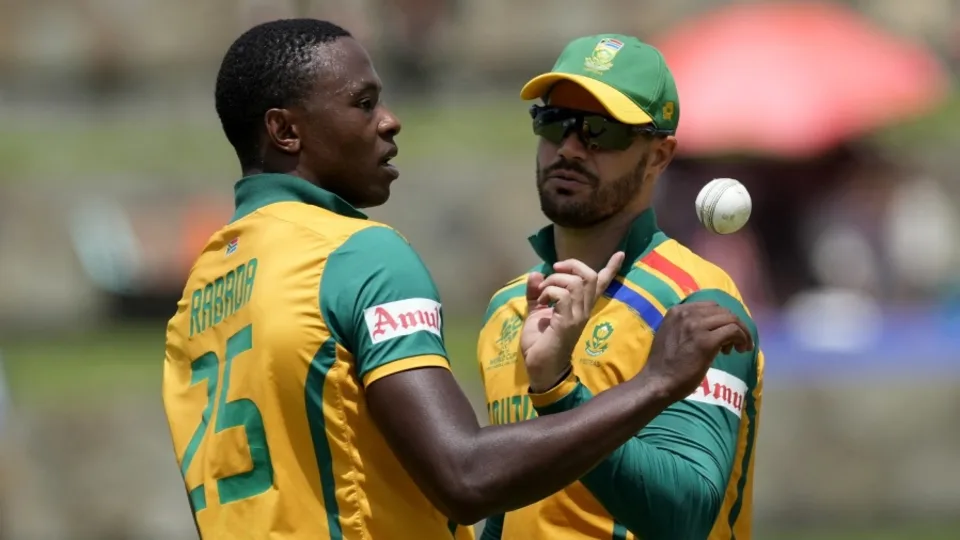
South African captain Temba Bavuma and pace bowler Kagiso Rabada have emerged as key ambassadors for the tournament, emphasizing the broader appeal cricket now commands. Rabada noted that "there's a wider audience" compared to 2003, with "more people, more variety of players and people from different ethnicities playing." Zimbabwe's cricket development reflects this trend particularly strongly, with former captain Hamilton Masakdza observing that the game now "really starting to reflect the demographic of the country," drawing participation from the broader population rather than remaining confined to elite circles.
Beyond cricket, the tournament carries significant political messaging. Former South African finance minister Trevor Manual used the launch to address xenophobia in South Africa, framing the multi-nation event as a symbol of regional unity. Namibia has invested in cricket infrastructure, converting hosting fees toward constructing an 11,000-seat stadium in Windhoek. Zimbabwe's Victoria Falls venue promises to rank among the world's most scenic cricket grounds. However, former player Makhava Ntini cautioned against excessive pressure on South Africa's squad, warning that media expectations could undermine performance, echoing historical patterns.