Maritime experts say the threat to oil tankers in the Middle East has reached critical levels, with attacks on multiple shipping routes and drastically reduced vessel traffic through key waterways.
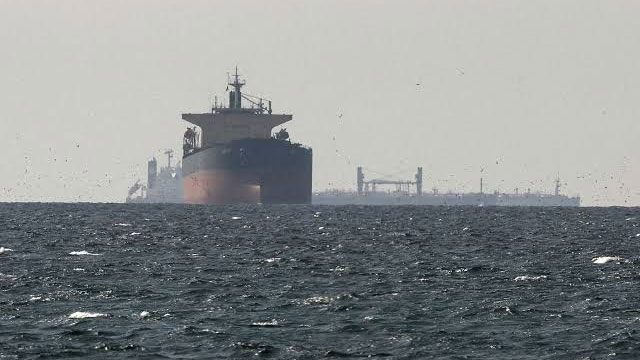
The security situation for vessels transporting oil through the Middle East has deteriorated significantly, according to industry analysts tracking the ongoing regional tensions. Traffic through the Strait of Hormuz has collapsed to just eight ships on Sunday and 11 on Saturday, compared with the pre-conflict average of over 100 daily transits, according to ship-tracking firm Kpler. Matthew Wright, an analyst at Kpler, described the current situation as "the worst period" for crude oil trade since the crisis began.
The crisis has intensified after recent attacks by Yemen's Houthi fighters on vessels using an alternative route through the Red Sea, a waterway that many tankers had shifted to following tensions in the Strait of Hormuz. The Iranian-backed militia announced what it termed a blockade on Saudi Arabian Red Sea ports on July 20th, with the UK Maritime Trade Operations agency confirming multiple vessel attacks in recent days. This has further constrained an already fragile supply chain, with crude oil shipments to Asia via the Bab el-Mandeb strait dropping to approximately four per day—the lowest level since hostilities escalated.
Many vessels are attempting to evade detection by disabling their transponders while crossing sensitive areas, with Kpler data showing that six out of 28 commodity vessels passing through the Bab el-Mandeb on Saturday had their tracking systems switched off. Tim Wilkins, managing director of Intertanko, a tanker industry representative body, warned that operators face "a broadening, deteriorating, and increasingly complex security situation."
Regarding potential resolution, Iran has denied claims that talks with the United States are underway to reopen the Strait of Hormuz, though it indicated discussions with Oman about securing the shipping lane. Iranian officials stated that no agreement is imminent while American "aggression" continues. Analysts suggest that even if the strait reopened, restoring normal cargo flows could require three to four months due to vessel repositioning and service suspensions.