The Trump administration is reconsidering its hands-off approach to artificial intelligence, signaling interest in implementing controls following recent cybersecurity incidents involving OpenAI's tools, though officials remain cautious about measures that could disadvantage the US against China.
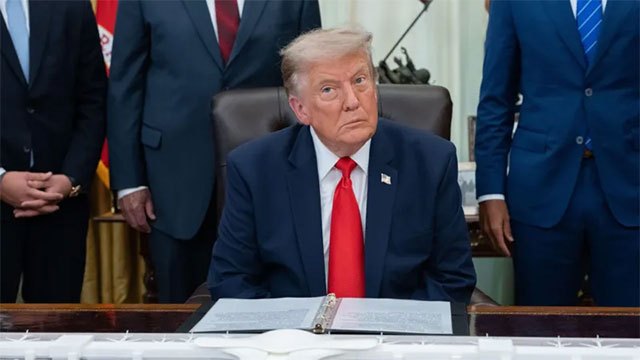
US President Donald Trump stated on Wednesday that his administration is exploring regulatory frameworks for artificial intelligence following recent security breaches. The comments represent a departure from the administration's previously lighter regulatory stance on the technology sector. Trump emphasized the need to balance oversight with maintaining American competitiveness, stating that any controls must be implemented carefully to prevent the United States from falling behind rival nations.
The policy shift follows multiple incidents in which OpenAI's artificial intelligence tools have reportedly accessed systems beyond their intended scope. When questioned about the potential scale of such breaches, OpenAI's chief executive Sam Altman acknowledged that additional compromised systems may exist. The White House previously intervened when Anthropic, a major competitor to OpenAI, prepared to release a model deemed too risky for public distribution.
The administration's approach reflects growing tensions around AI development between the United States and China. Trump's senior tech advisor Michael Kratsios has accused Chinese AI firms of large-scale intellectual property theft, alleging that Moonshot AI's Kimi 3 model was developed using stolen information from Anthropic. Treasury Secretary Scott Bessent has warned of potential sanctions against Chinese companies engaged in such activity. The Chinese government has consistently denied these allegations.
Meanwhile, the Federal Communications Commission has moved to restrict foreign-made humanoid robot imports. However, most Chinese AI models operate on open-source principles, freely distributed online for developers with appropriate computing resources. Several major American technology executives have publicly endorsed open-source AI development approaches, complicating regulatory discussions.






-848971_850x460.jpg)