US President Donald Trump announced that the US Navy has removed all mines from the Strait of Hormuz, warning of immediate destruction for any new placements. Meanwhile, Iran and Oman are pursuing separate negotiations for a temporary shipping corridor through the strategic waterway.
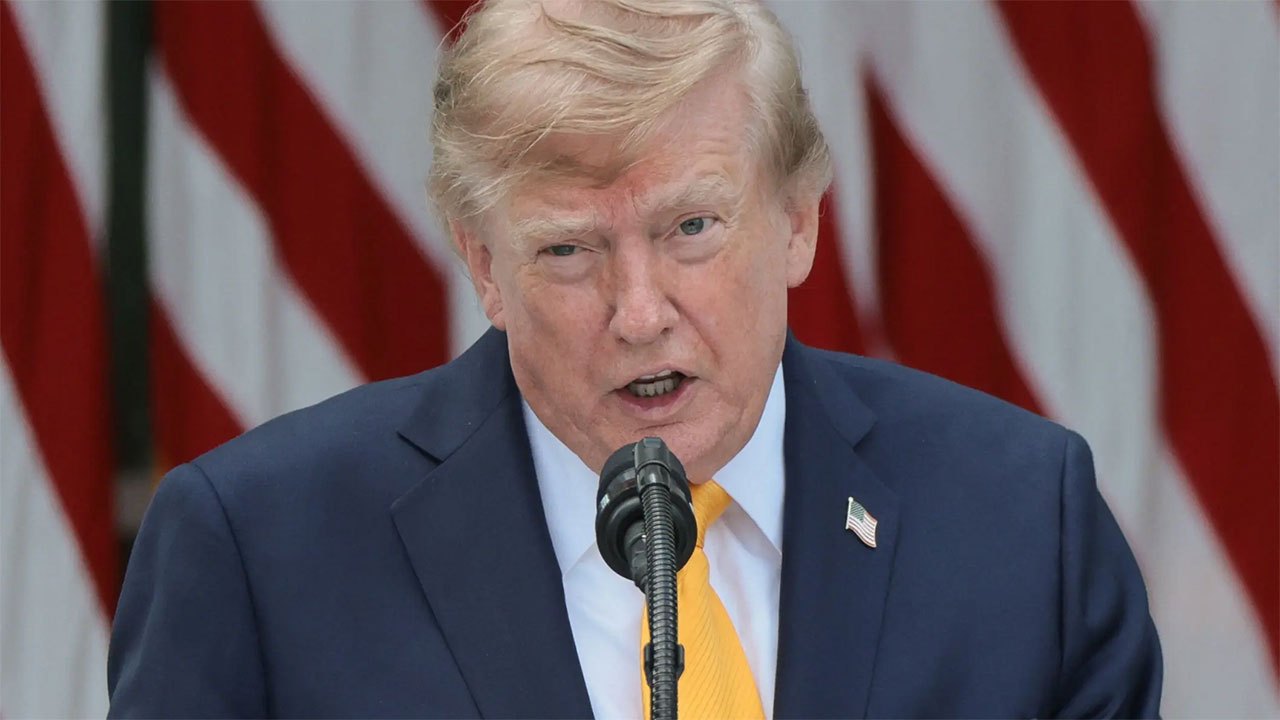
US President Donald Trump stated this week that the American military has cleared or detonated all mines from the Strait of Hormuz, a critical shipping route through which approximately one-fifth of the world's oil and liquefied natural gas previously transited. Trump warned via social media that Iran would face immediate and systematic destruction of any vessels or boats attempting to place new mines in the waterway. Iran has not responded to these claims.
The strait's effective closure since the outbreak of Middle East conflict has created significant disruption to global energy markets. A ceasefire agreement designed to facilitate negotiations collapsed, leading to renewed exchanges between US and Iranian forces. Separately, the US Treasury Department announced fresh sanctions against Iran this week, with Treasury Secretary Scott Bessent cautioning that nations partnering financially with Iran would face international isolation. Iran's Economy Minister rejected these measures as ineffective, asserting the country was prepared for the consequences.
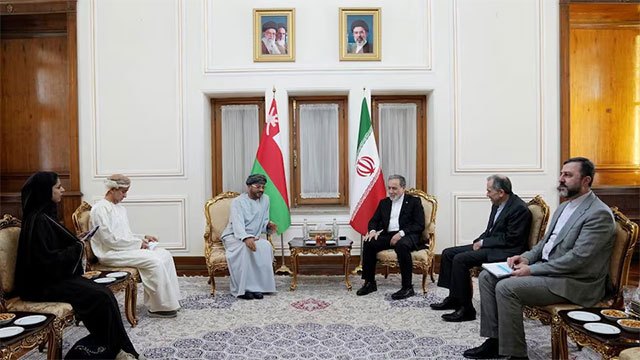
In parallel diplomatic developments, Omani Foreign Minister Badr Albusaidi indicated that Iran and Oman are preparing to announce a temporary shipping corridor arrangement following discussions in Tehran. However, Iran's Deputy Foreign Minister Kazem Gharibabad clarified that this corridor would operate under specific conditions: entry through Iranian waters and exit via Omani territorial waters, with military vessels prohibited. The arrangement represents a significant departure from previous international maritime protocols, and Iranian officials indicated a 60-day negotiating period to establish permanent arrangements.
China, the world's largest buyer of Iranian oil, opposed the US sanctions, pledging to take necessary measures to protect its economic interests. The dispute underscores broader geopolitical tensions involving energy security, international law regarding maritime transit, and competing visions for managing one of the world's most strategically important waterways.