US President Donald Trump stated there is a 'good chance' for progress in negotiations with Iran as both sides maintain a pause in fighting that began on Friday. However, Tehran denied ongoing direct talks with Washington.
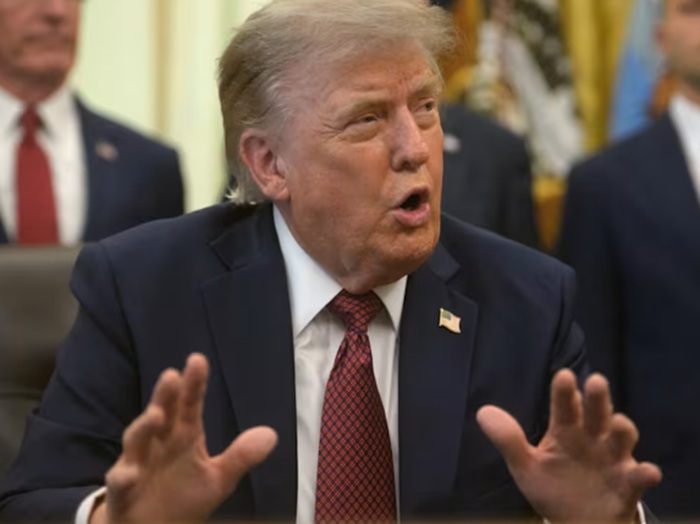
US President Donald Trump expressed cautious optimism on Monday regarding the prospects for a negotiated settlement with Iran, as the two nations extended their ceasefire into a third consecutive day. Speaking aboard Air Force One, Trump indicated he believes diplomatic efforts could succeed, though he tempered expectations by noting that if talks fail, military operations would resume.
The optimism contrasts sharply with Iran's public position. Iranian Foreign Ministry spokesman Esmaeil Baqaei stated that Tehran is not engaged in direct negotiations with the United States, though he acknowledged that mediators may relay messages between the sides. This disagreement over whether formal talks are occurring underscores the delicate nature of current diplomatic efforts. Trump countered during a Michigan speech, asserting that Iran is actively discussing a potential deal.
The fighting pause followed 13 days of renewed US strikes on Iran that erupted from a breakdown in talks over Iran's blockade of the Strait of Hormuz. The broader conflict began in late February with coordinated US-Israeli strikes and has already destabilized regional markets and energy supplies. Trump dismissed concerns about depleting ammunition stocks, claiming the US maintains sufficient military reserves.
Despite the ceasefire, regional tensions flared when Saudi Arabia reported intercepting multiple drones fired from Iraqi territory targeting its oil facilities. Yemen's Houthi rebels claimed responsibility for separate drone attacks on Saudi infrastructure. These incidents highlight how fragile the current pause remains, with Pakistan—acting as a mediator—expressing concern that such attacks threaten regional stability. Iraqi Prime Minister Ali al-Zaidi called for an investigation into Saudi's allegations.