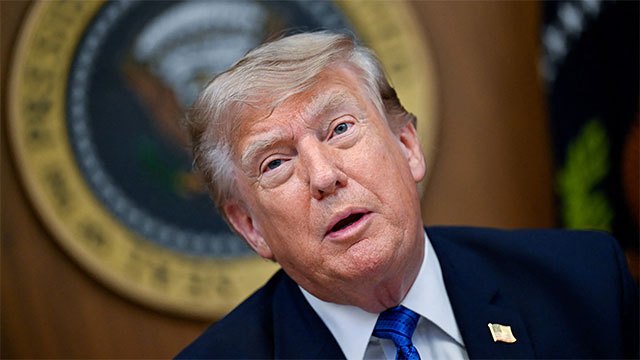
U.S. President Donald Trump stated that discussions with Iran were actively occurring, describing them as a final opportunity for a diplomatic settlement, but Iranian officials immediately contradicted these assertions, confirming no negotiations were taking place.
Contradictory statements from Washington and Tehran on Monday highlighted the deep divisions preventing any near-term diplomatic breakthrough in the five-month conflict. Trump told reporters that talks were progressing following requests from Iran, Saudi Arabia, the UAE, and Qatar, characterizing the moment as "a last chance" for Tehran to reach an acceptable agreement. However, Iranian Foreign Ministry spokesman Esmail Baghaei directly refuted these claims, stating that no negotiations with the United States were occurring and none were scheduled.
Baghaei indicated that Iranian negotiators remained in the country, with Foreign Minister Abbas Araqchi unavailable due to a religious visit to Iraq. A senior Iranian source confirmed to Reuters that no talks were planned. The Iranian position represents a continuation of Tehran's public rejection of negotiations since a June memorandum aimed at ending hostilities collapsed in early July.
Trump's statements followed his announcement over the weekend that he had cancelled what he described as "massive attacks" on Iran to allow for diplomatic discussions. This marks a recurring pattern throughout the conflict, wherein the U.S. president has repeatedly threatened military action before reversing course to pursue talks. Analysis suggests Trump has yet to achieve his stated initial objectives: dismantling Iran's nuclear capabilities, limiting its regional military capacity, and fostering domestic political change.
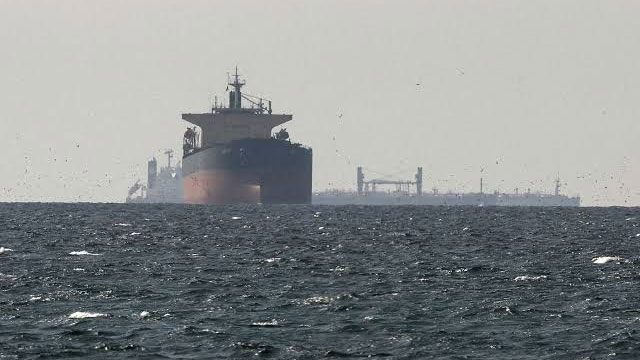
The Strait of Hormuz remains a critical dispute point. The United States claims the June memorandum required Iran to open this strategically vital waterway, while Iran contends the agreement preserved its authority over shipping lanes. Market reactions reflected the apparent diplomatic opening, with Brent crude futures declining approximately 7 percent to $83.77 per barrel and major stock indices posting gains.