Typhoon Dolphin is set to make landfall on China's eastern coast on Sunday as the year's most powerful typhoon to hit the country, prompting authorities to evacuate over one million people and activate emergency responses across multiple provinces.
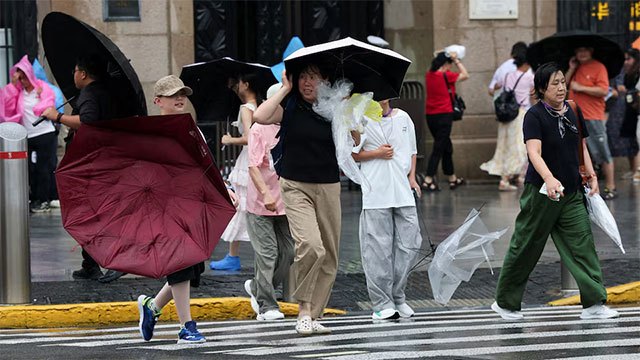
Typhoon Dolphin is expected to strike China's east coast on Sunday evening with sustained winds reaching 162 kilometres per hour, equivalent to a Category 2 hurricane capable of causing extensive damage to infrastructure and vegetation. The storm has already impacted Japan's Okinawa prefecture, where it injured six people and left more than 50,000 buildings without power before moving toward mainland China.
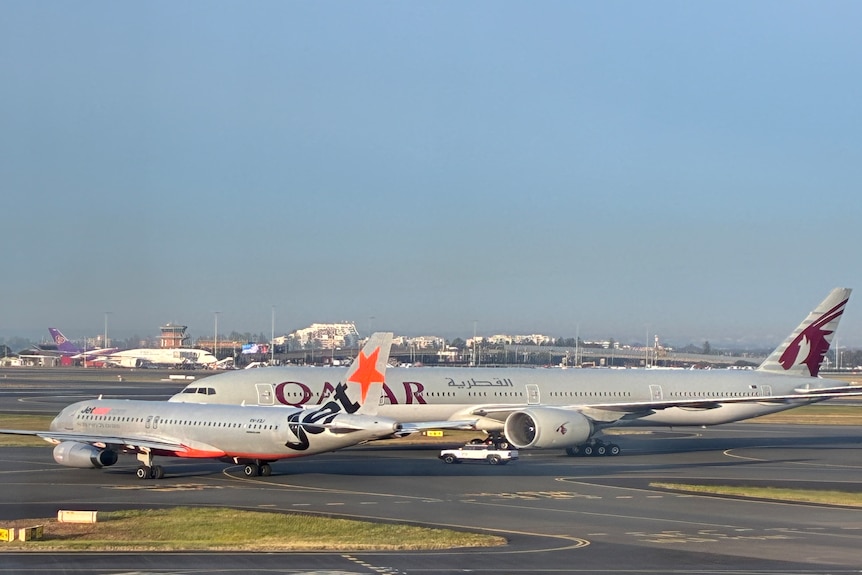
Authorities have undertaken sweeping preventative measures ahead of the typhoon's arrival. More than one million residents have been evacuated from vulnerable areas, with Wenzhou alone relocating over 900,000 people and establishing more than 1,000 emergency shelters. Shanghai has evacuated at least 30,300 residents and cancelled approximately 1,500 flights. In Fujian province, 98,900 people were moved from high-risk zones after authorities raised the emergency response level to III. Multiple provinces including Zhejiang, Shanghai, and Jiangsu have activated Level III emergency protocols.
Forecasters predict torrential rainfall across multiple eastern provinces through August 10, with parts of Zhejiang potentially receiving between 250 and 500 millimetres of rain. The China National Meteorological Centre warns that after making landfall, Dolphin will track westward and slow over central and southwestern regions, prolonging heavy rainfall and substantially increasing risks of flooding and landslides, particularly in mountainous terrain and along smaller waterways. Officials have also suspended ferry services, halted offshore construction projects, and moved vessels to safe anchorages throughout coastal areas.
Despite the scale of preparations, some residents view the typhoon as routine. One stranded tourist from Guangdong noted that such storms are relatively common occurrences along China's southern coast, though he and his family remained grounded with cancelled flights awaiting rescheduled departures.