The UK plans to share blueprints for Storm Shadow cruise missiles with Ukraine, allowing domestic production, but experts suggest the move alone will not significantly alter the conflict's trajectory.
Britain is preparing to transfer technical specifications for its Storm Shadow cruise missiles to Ukraine, following France's similar decision to enable domestic manufacturing capabilities. While the gesture demonstrates Western commitment to supporting Ukraine's defence efforts, analysts warn that blueprint sharing alone will not provide rapid military advantage in the ongoing conflict.
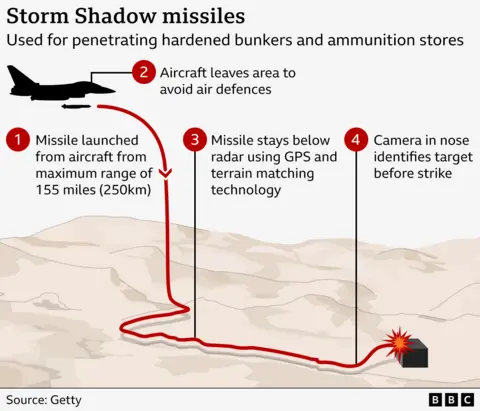
The Storm Shadow missiles, jointly developed by Britain and France in the 1990s, have already been supplied to Kyiv and used against Russian military targets. However, each unit costs approximately £1 million to produce, and Western production has historically operated at relatively low rates suitable for peacetime conditions. Ukraine faces substantial obstacles in establishing independent manufacturing, including sourcing complex components through global supply chains. Experts suggest the domestic production timeline could extend from months to years, limiting immediate operational value.
Ukraine's greatest current need lies elsewhere. The country faces critical shortages of air defence interceptors, particularly US-made Patriot missiles needed to counter Russian ballistic missiles that increasingly penetrate Ukrainian defences. At approximately £3 million per unit with constrained global production rates, these systems remain inaccessible in sufficient quantities. While President Trump previously signalled willingness to share Patriot technology, he subsequently reversed course. Ukraine is pursuing independent interceptor development through Project Freya with European support, though experts note this faces significant technological and financial hurdles.
Ukraine has demonstrated remarkable innovation in weapons production, now manufacturing 70 percent of its own military equipment. The nation's rapid development of affordable, mass-produced drones using Chinese components represents the model for protracted conflict, producing 10 million units annually at costs undercutting NATO equivalents. Conversely, Britain itself is abandoning Storm Shadow production under Project Brakestop to develop cheaper, domestically-sourced cruise missiles.