United Nations experts have renewed demands for the Sri Lankan government to investigate and prosecute those responsible for the deaths of 17 humanitarian workers killed in Muttur two decades ago, citing persistent impunity and the suffering of victims' families.
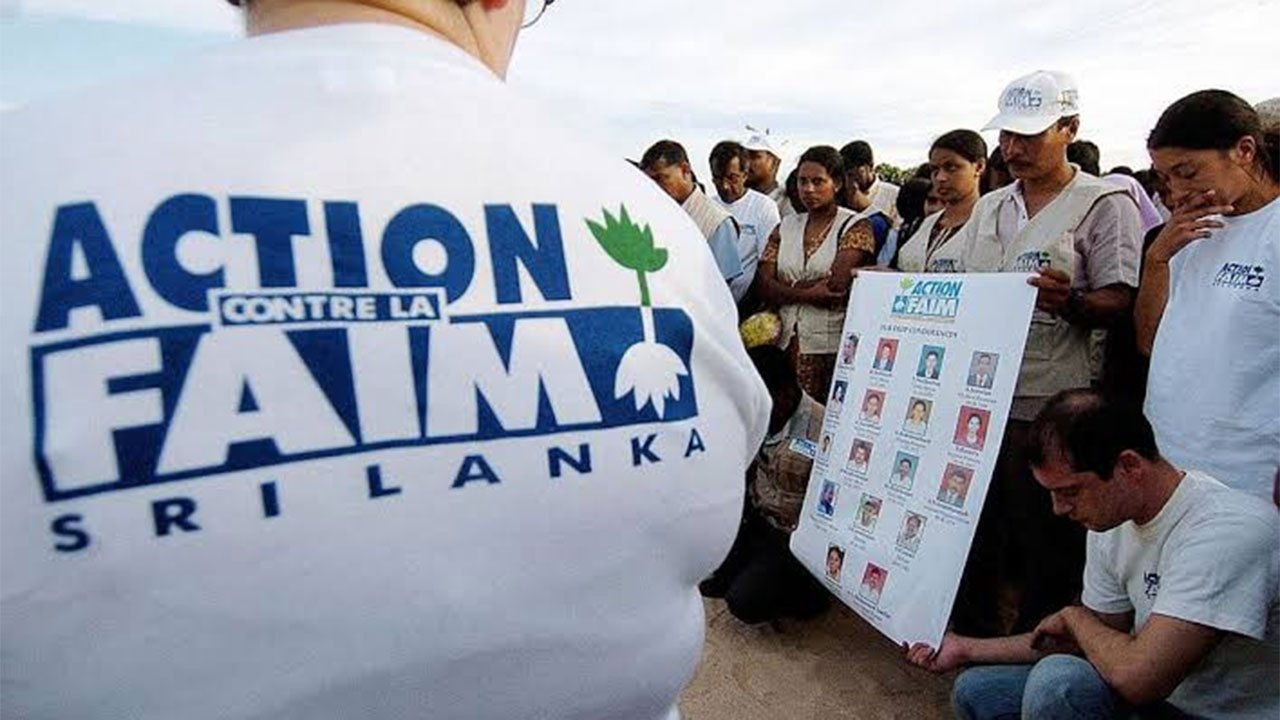
On August 4, 2006, seventeen aid workers from the international organisation Action Against Hunger (ACF) were found executed at their compound in the town of Muttur during escalating conflict between the Sri Lankan Army and the Liberation Tigers of Tamil Eelam. Most of the victims sustained gunshot wounds to the head. At the time, ACF was the sole international non-governmental organisation delivering water, sanitation and hygiene services to civilians in the conflict zone.
Multiple international investigations, including a 2015 report by the UN Office of the High Commissioner for Human Rights, have identified reasonable grounds to believe members of Sri Lanka's security forces were responsible for the killings. However, UN experts note that domestic inquiries have been hindered by insufficient evidence gathering, inadequate witness protection measures and political interference. International oversight of the domestic investigation was withdrawn in 2008, with overseers citing insufficient political commitment to pursue accountability.
Nearly twenty years later, no individuals have been arrested, charged or convicted in connection with the incident. UN experts have characterised this prolonged impunity as undermining confidence in the rule of law and causing continued suffering for the victims' families, some of whom have faced threats and displacement. The killing of ACF staff also had cascading humanitarian consequences, with more than two thousand aid workers subsequently departing the northern and eastern provinces, disrupting essential services to over 325,000 displaced persons.
The UN experts have urged the Sri Lankan government to immediately launch or reopen an independent investigation, provide comprehensive compensation to victims' families, and protect those wishing to commemorate the twentieth anniversary. They emphasised that accountability for attacks on humanitarian personnel is critical to preventing future violence against aid workers globally.