The top U.S. commander in the Middle East has warned troops that cellphone videos and photos shared online help Iran assess military strikes, with some deployed personnel potentially facing phone confiscation in coming weeks.
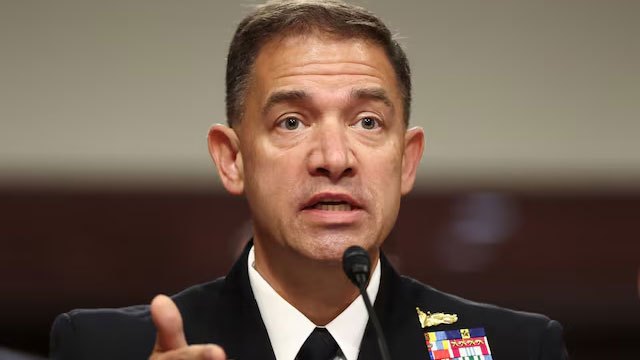
Admiral Brad Cooper, head of U.S. Central Command, has issued a directive cautioning troops about the security risks posed by personal mobile device usage in conflict zones. In a July 28 letter obtained by Reuters, Cooper expressed concern that real-time footage and accounts posted to social media platforms provide Iran with critical information about the effectiveness of its military operations against American positions.
According to Reuters sources, some U.S. troops stationed in Jordan may soon be ordered to surrender their cellphones as part of enhanced operational security measures. A third source indicated the measure is under consideration across the region, though confirmation of implementation remains uncertain. Cooper's letter specifically referenced an incident where a service member recorded video on Meta smart glasses during an Iranian attack on Muwaffaq Salti Air Base on July 17, which was subsequently posted to Instagram.
Cooper argued that detailed public information about military strikes effectively provides Iran with free intelligence assessments. He noted that without such disclosures, Iranian forces would struggle to determine whether their weapons missed targets, hit empty areas, or struck populated facilities. He also warned that public details about successful strikes could prompt follow-up Iranian attacks.
The potential phone restrictions reflect growing tensions between real-time war reporting and military operational security priorities. While some military units regularly restrict phone access on sensitive missions, a comprehensive confiscation policy could limit deployed troops' ability to maintain contact with family members. The conflict between U.S. and Iran began February 28, resulting in 18 American military deaths and over 600 wounded. U.S. Central Command declined to confirm specific confiscation plans, characterizing Cooper's letter as a general reminder about operational security.