A coalition of Democratic-led states has filed a lawsuit against the Trump administration's tariffs affecting dozens of countries, arguing the measures are legally unfounded and constitute an unlawful tax on American consumers.
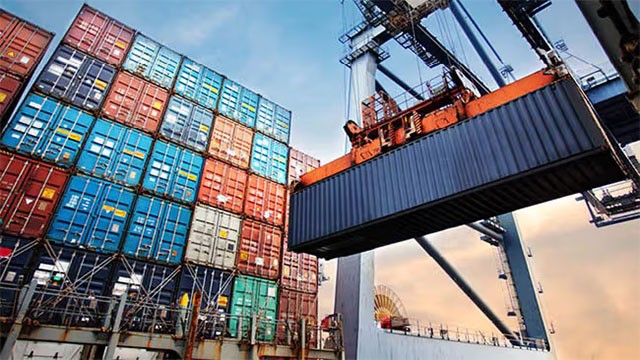
Twenty-five US states launched a legal challenge on Monday against tariffs ranging from 10% to 12.5% imposed on numerous trading partners including the United Kingdom, China, and the European Union. The states' legal filing, reviewed by the BBC, characterised the decision as "arbitrary, capricious, and contrary to law." The Trump administration implemented these duties under Section 301 of the 1974 US Trade Act, citing concerns that trading partners have failed to adequately address forced labour in their supply chains.
White House spokesman Kush Desai defended the tariffs as a lawful exercise of authority to protect American businesses from unreasonable practices. He noted that Section 301 has proven legally durable during Trump's previous term, when it was used against Chinese goods. However, the state coalition argues the tariffs are so expansive they undermine the statute's intended purpose, covering 99.4% of US imports according to the Office of the US Trade Representative.
State officials have framed the tariffs as economically harmful. New York Governor Kathy Hochul called them "a tax on hardworking families," while Oregon's Attorney General Dan Rayfield stated that foreign governments, rather than American families and businesses, should bear any consequences. Several affected trading partners—including Brazil and Japan—have expressed disapproval, calling the measures unjustified. China's foreign ministry dismissed the forced labour justification as political manipulation.
Business analysts have raised questions about the tariffs' legal standing and practical implementation. Alex Capri, a National University of Singapore lecturer, told the BBC that the lawsuit presents a "formidable challenge" to the levies and noted insufficient evidence that countries have harmed US firms through forced labour violations. This legal action follows a 2024 Supreme Court decision that struck down many of Trump's previous tariffs, resulting in tens of billions in refunds to affected companies.