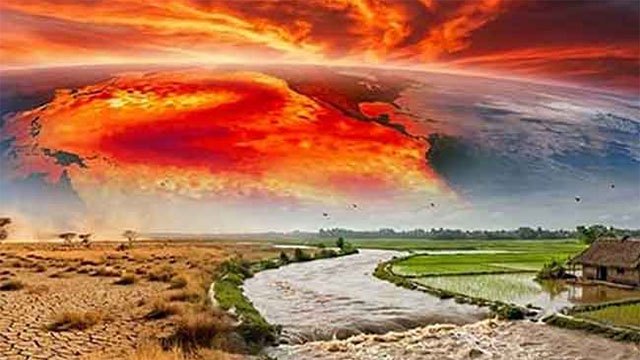
The Department of Meteorology has warned of a very strong El Niño event developing with over 90% probability by year-end, potentially exceeding the strength of any recorded since 1950. The phenomenon has already begun affecting water resources across the island.
Sri Lanka faces an approaching climate challenge as meteorological forecasts indicate a high likelihood of an exceptionally strong El Niño event materializing before the end of this year. According to the Department of Meteorology's Director General Ajith Wijemanna, global climate models suggest more than 90% probability that current developing conditions will intensify into a very strong El Niño phenomenon. Most significantly, forecasts indicate approximately 70% probability that this event could surpass the intensity of any El Niño recorded over the past 75 years, from 1950 onwards.
The anticipated climate pattern is already creating water security concerns across the nation. The Department of Irrigation reported that Sri Lanka's 74 major reservoirs currently hold only 37% of their total capacity. While Irrigation Director H.N.P.S.D. Herath indicated that available water should sustain the upcoming Yala cultivation season, he cautioned that adequate rainfall during November and December remains essential for maintaining sufficient supply.
Despite reservoir declines, the National Water Supply and Drainage Board maintains that drinking-water supply has not been severely compromised. Chairman Chandana Bandara stated that water treatment facilities across the island are operating at maximum capacity without significant reductions to public supplies. However, Bandara acknowledged that certain irrigation reservoirs have experienced water-level drops exceeding 56%, highlighting the critical need for strategic water resource management.
Authorities are emphasizing prudent water management practices while closely monitoring El Niño development. The expected intensification of this climate phenomenon raises concerns about potential impacts on weather patterns, agricultural output, rainfall distribution and drought vulnerability throughout the coming months.