Canadian and American negotiators are working frantically to finalise a trade deal before a Friday night deadline, with leaked details suggesting tariff reductions on steel, aluminium, and automobiles in exchange for Canadian market concessions.
Canadian Trade Minister Dominic LeBlanc indicated Friday evening that negotiators remained hard at work as they approached a midnight deadline to reach a trade agreement with the Trump administration. Following an eight-hour meeting with US Trade Representative Jamieson Greer, LeBlanc stated that significant work remained to be completed. President Trump suggested progress was being made but stopped short of confirming a final deal had been reached.
According to details leaked to media outlets, the agreement would reduce US tariffs on Canadian steel and aluminium from 50% to 25% and automobile tariffs from 25% to 15%. In return, Canada is reportedly considering allowing increased access for American dairy producers and restoring sales of US alcohol in Canadian liquor stores, while also withdrawing retaliatory tariffs. If negotiations fail, an additional 50% tariff on a range of Canadian goods could take effect, with economists estimating potential job losses of around 90,000.
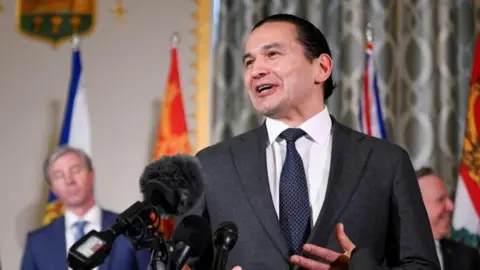
The prospective deal has encountered resistance from multiple quarters within Canada. Conservative opposition leader Pierre Poilievre characterised any agreement containing "one-sided" tariffs as unfavourable. Manitoba Premier Wab Kinew publicly urged the country to hold firm rather than rush into concessions. Quebec Premier Christine Fréchette indicated she was reviewing implications for the province's dairy sector before committing to restoring US alcohol sales. Meanwhile, Matthew Shoemaker, mayor of an Ontario city housing Canada's second-largest steel producer, expressed concern that 25% tariffs would not benefit his community.
Prime Minister Mark Carney faces competing pressures as he seeks provincial approval for key concessions. While polling suggests 56% of Canadians favour a hardline approach, business leaders have urged a deal to avoid escalating tariffs. A leaked recording revealed US Vice-President JD Vance characterised Canadian negotiating positions as ultimately capitulatory, adding to the political complexity surrounding the agreement.



-852009_850x460.jpg)