A collaborative research project between Sri Lankan and Australian universities has begun a new phase of excavations in Polonnaruwa, focusing on the city's outer fortifications and surrounding areas to better understand the ancient kingdom's development and decline.
Archaeologists have commenced a significant excavation project in Polonnaruwa, Sri Lanka's second ancient kingdom, as part of a long-term research initiative that began in 2024. The work represents the fifth phase of investigations into the urbanisation of the historic city, which served as the island's capital between 1070 and 1215 AD. The project is being conducted jointly by the University of Kelaniya and Australia's La Trobe University, with support from multiple local institutions including the Department of Archaeology and the Central Cultural Fund.
The current excavation focuses on two key areas: the northeastern gate of Polonnaruwa's outer fortifications and the vicinity of the Lotus Pond in the outer city. According to Prof. Prishantha Gunawardhana, Senior Professor of Archaeology at the University of Kelaniya, the selection of these sites was informed by advanced technological surveys. A LiDAR survey conducted the previous year identified approximately 20 to 30 mound-like formations rising 70 to 80 centimetres above ground level in the region, prompting researchers to investigate their archaeological significance and potential connections.
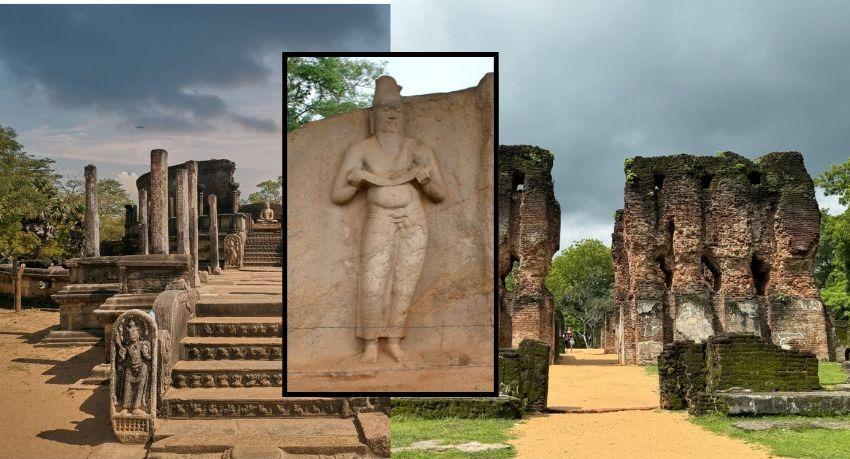
The research team aims to establish a scientific chronology for the site and understand what drove the eventual decline of this influential ancient capital. Previous excavations have already yielded significant discoveries, including evidence that an open area before King Parakramabahu's Royal Palace once functioned as an elaborate water garden. Ground Penetrating Radar and LiDAR technology have also revealed remnants of several ancient ponds previously hidden beneath the landscape. The new phase continues this methodical approach, combining traditional archaeological methods with modern scientific technologies to unlock new insights into Polonnaruwa's urban development and history.