

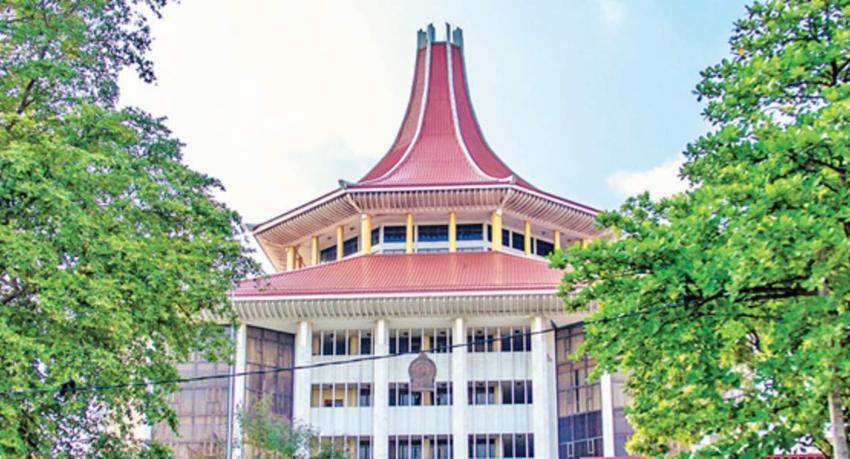
The Supreme Court has completed hearings on petitions challenging Sri Lanka's proposed 22nd Amendment and Judicature Bill, which would raise the judicial retirement age. The government argues the amendment enhances judicial efficiency, while petitioners contend it requires a public referendum.
Sri Lanka's Supreme Court concluded hearings today on multiple petitions challenging the proposed 22nd Amendment to the Constitution and the accompanying Judicature Bill. A five-judge bench, presided over by Chief Justice Preethi Padman Surasena, heard arguments from government representatives and petitioners regarding the contentious legislation.
The Government's Solicitor General Viraj Dayaratne told the court that the amendment aims to strengthen judicial efficiency and expand the court system's capabilities, not to increase executive power. He contended that the proposal does not violate constitutional provisions protecting judicial independence and cited international precedents, noting that United States Supreme Court justices serve for life and the United Kingdom raised its judicial retirement age to 75 years without public referendums.
Petitioners opposing the amendment argued divergent positions on its constitutional validity. President's Counsel Nigel Hatch, representing MP Lakshman Nipuna Arachchi, stated that no referendum is required, pointing to the 20th Amendment, which increased the number of Supreme Court and Court of Appeal judges without a public vote. However, other petitioners, including representatives from the Bar Association of Sri Lanka and the Nawa Sihala Urumaya Party, maintained that the amendment does require referendum approval, asserting it could compromise judicial independence.
Intervenors supporting the government's position argued that the retirement age increase reflects modern demographic realities. They noted that Sri Lanka's life expectancy has risen substantially since 1978, when the current retirement age was established, and comparable democracies have implemented similar measures without public consultation. The court has directed petitioners to submit reply arguments by 3:00 p.m. tomorrow, with the Supreme Court's determination to be communicated to Parliament's Speaker.