
Sri Lanka's Department of Meteorology has attributed the extreme rainfall affecting the Central Highlands to a combination of active monsoon conditions, atmospheric moisture, and upper-level disturbances, despite earlier expectations that El Niño would suppress such weather patterns.
The Department of Meteorology has identified multiple atmospheric factors responsible for the intense rainfall that has battered Sri Lanka's Central Highlands in recent days. According to Director General Ajith Wijemanna, the convergence of an active southwest monsoon, accumulated atmospheric moisture, and upper-level atmospheric disturbances created conditions for exceptionally heavy precipitation. This outcome was somewhat unexpected, as meteorologists had anticipated that prevailing El Niño conditions would limit rainfall intensity during this period.
Wijemanna explained that the southwest monsoon naturally fluctuates between active and inactive phases, and while August rainfall is not uncommon in Sri Lanka, the current intensity exceeded initial forecasts. The meteorological service identified upper atmospheric disturbances that developed alongside significant moisture accumulation, with strengthening winds carrying moisture directly toward the hill country. These combined systems generated the concentrated rainfall that has made the Central Highlands the most severely affected region.
Rainfall is expected to persist through tonight and into tomorrow morning across Kandy, Nuwara Eliya, Sabaragamuwa Province, and parts of the Western Province. However, the immediate atmospheric disturbance is forecast to weaken and move away by tomorrow afternoon, bringing gradual relief. Authorities caution that this respite may be temporary, as meteorologists are monitoring a developing typhoon south of Japan that could influence Sri Lankan weather conditions from approximately August 6 onwards.
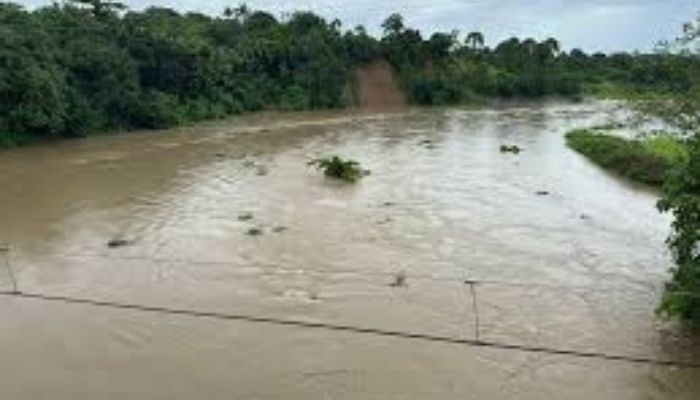
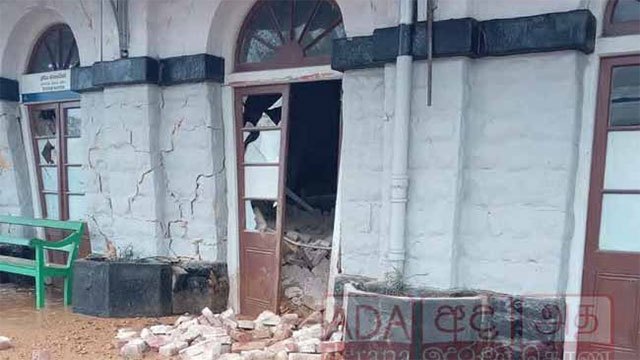
The ongoing rainfall has already triggered widespread flooding, landslides, and elevated river levels across affected areas. Officials warn that the western slopes of the Central Highlands remain particularly vulnerable, with Sabaragamuwa Province and the Kandy and Nuwara Eliya districts potentially facing renewed heavy rainfall if the Pacific weather system intensifies.