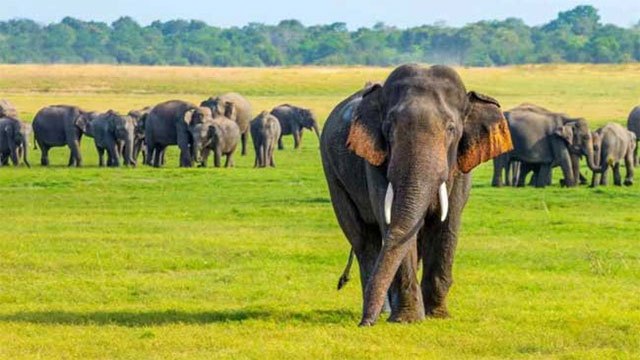
Sri Lanka recorded 180 elephant deaths and 56 human fatalities so far this year, prompting renewed concerns about escalating human-elephant conflict on World Elephant Day.
World Elephant Day was marked on August 12 amid growing alarm over threats to Sri Lanka's wild elephant population. The Ministry of Environment attributed the pressures facing elephants to unplanned development that has disrupted traditional migration corridors and created barriers to movement across the island.
According to Hemantha Withanage, Chairperson of the Centre for Environmental Justice, the scale of the crisis is significant. He reported that approximately 400 elephants are killed annually in Sri Lanka, while around 200 people die each year from human-elephant encounters. This year alone has seen 180 elephant deaths and 56 human deaths recorded. Of the elephant fatalities, roughly 75 were attributed to human activity, including approximately 30 shot by firearms, 23 killed through electrocution, and 19 killed using explosives locally known as 'hakka patas'.
Estimates of Sri Lanka's wild elephant population also remain contested. While previous surveys suggested around 5,000 elephants inhabited the island, recent wildlife assessments indicate the population may now exceed 7,000. According to Withanage, this population increase, combined with the fact that humans and elephants now occupy more than 40 percent of the country's land area, has intensified conflicts between the two species.
The urgency of the situation was underscored by a fatal incident in Ambanpola on August 11, when a 43-year-old man was killed by a wild elephant while attempting to drive the animals away from his paddy field. Police have begun investigations into the death. Withanage has called for systematic intervention programmes to manage the escalating conflict.






-850512_850x460.jpg)