The World Food Programme has reaffirmed its support for Sri Lanka's school nutrition programmes following discussions with Prime Minister Harini Amarasuriya, with both parties emphasizing the need for evidence-based approaches beyond meal provision.
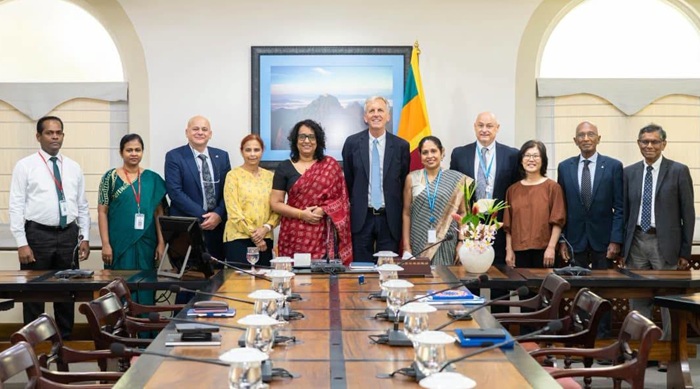
The World Food Programme (WFP) has pledged continued partnership with the Sri Lankan government to strengthen nutrition programmes in schools, according to a meeting held at Temple Trees on Monday. WFP representatives indicated their willingness to collaborate with multiple stakeholders including government ministries, universities, and other UN agencies to develop comprehensive nutrition interventions across the education system.
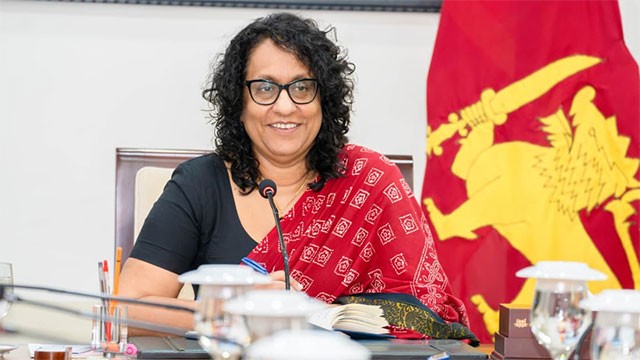
Prime Minister Amarasuriya highlighted nutrition as a critical policy concern, stressing that the government's approach extends beyond distributing free meals to students. She emphasized the importance of fostering healthier eating habits, strengthening preventive healthcare measures, and promoting long-term behavioural change. The Prime Minister noted that nutrition programmes are already operational in selected schools and among targeted families, with initiatives also introduced at early childhood education levels.
Both the WFP delegation and government representatives flagged the rising incidence of non-communicable diseases (NCDs) as a concerning trend requiring investigation into underlying causes. The WFP stressed that effective nutrition and health policies must be grounded in reliable research and a thorough understanding of root causes rather than surface-level interventions. The discussions reflected a shared commitment to evidence-based decision-making in addressing nutritional challenges within the education sector.

-852242_850x460.jpg)