Sri Lanka's four-wheel-drive community has appealed to the government to modernise vehicle modification laws, arguing that current regulations hinder legitimate uses in emergency response, adventure tourism and motorsport.
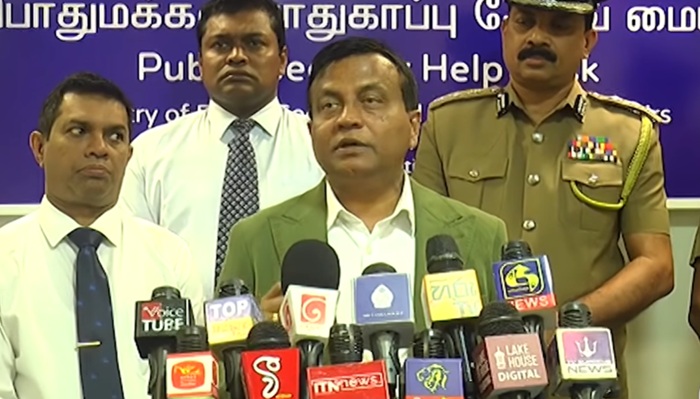
Representatives of Sri Lanka's 4×4 community have urged the government to establish a contemporary regulatory framework for professionally modified vehicles, contending that existing laws prevent the country from leveraging an important resource for disaster management and economic development. Speaking at a media briefing, community leaders stressed they are not seeking exemptions from safety regulations but rather a balanced system that distinguishes between legitimately equipped operational vehicles and unsafe modifications.
The group plans to submit a formal appeal to President Anura Kumara Dissanayake requesting a review of the legal framework. They propose adopting internationally recognised standards similar to Australia's certification model, which would include licensing and taxation mechanisms for professionally equipped vehicles. According to the representatives, discussions on this issue have persisted across three successive administrations, yet regulatory progress has stalled with each change of government. A formal response to proposals made in 2021 has not been received.
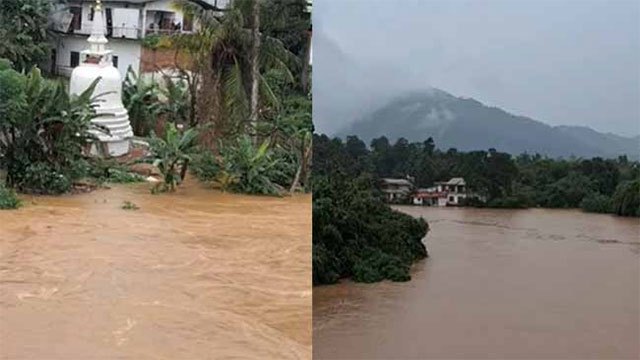
Community leaders highlighted the strategic importance of trained volunteer 4×4 operators in Sri Lanka's disaster-vulnerable landscape. Working alongside I-CERT and the Disaster Management Centre, these volunteers have participated in flood relief, search-and-rescue operations and the delivery of supplies to isolated communities. The representatives characterised modifications such as winches, snorkels and reinforced suspension systems as functional safety enhancements rather than cosmetic alterations, and argued that regulations should distinguish between professionally installed equipment and unsafe vehicle changes.
Beyond emergency response, the community identified potential economic benefits through adventure tourism and international motorsport events. They referenced a previous approach from an American television network interested in showcasing Sri Lanka's rainforest terrain using off-road vehicles, suggesting untapped opportunities to diversify tourism and attract international competitions. The group also argued that data does not support linking professionally modified 4×4 vehicles to significant road accident rates, contending that policy decisions should be evidence-based rather than perception-driven.