Bahujana Balaya has filed a Supreme Court petition challenging the proposed 22nd Amendment, questioning whether certain provisions require public referendum approval and raising concerns about judicial independence.
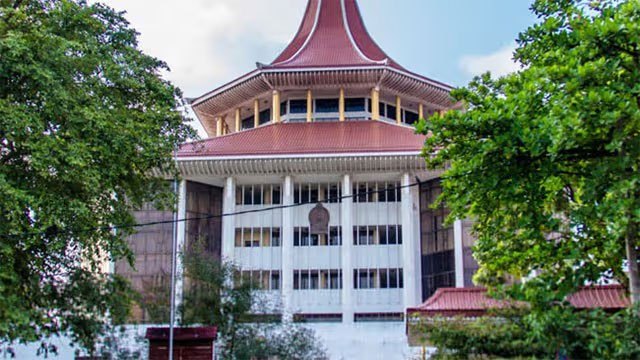
Civil society organisation Bahujana Balaya has turned to the Supreme Court with a petition challenging the proposed 22nd Amendment to the Constitution, which has already been tabled in Parliament. The organisation is asking the court to examine whether the amendment's provisions align with existing constitutional requirements and whether any of the changes should require approval through a national referendum in addition to securing the necessary parliamentary majority.
While supporting constitutional reform generally, Bahujana Balaya has emphasised that any amendments must contribute to strengthening democratic institutions, safeguarding public sovereignty, reinforcing legal governance, and preserving the separation of powers with effective institutional oversight mechanisms. The group has flagged specific concerns regarding provisions that could potentially undermine judicial independence and the balance between branches of government.
In presenting its case, Bahujana Balaya cited concerns raised by international legal experts and organisations, including the Commonwealth Lawyers Association, LAWASIA, the International Association of Judges, and UN Special Rapporteur on Judicial Independence Margaret Satterthwaite. According to the organisation, these external perspectives underscore the importance of conducting thorough and impartial constitutional review before the amendment proceeds to enactment.
The petition contends that constitutional changes of such magnitude should follow established constitutional procedures and include public approval where constitutionally mandated. This challenge represents one of several legal questions being raised about the amendment's compatibility with Sri Lanka's constitutional framework.