

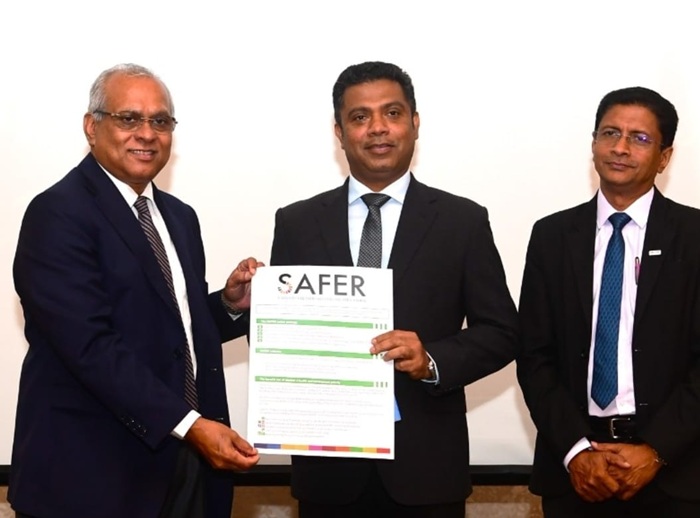
The government has formally introduced a comprehensive strategy to reduce alcohol-related harm, combining WHO's evidence-based technical package with a locally-developed investment case for stronger regulations.
Sri Lanka has unveiled a coordinated effort to combat alcohol-related health and social problems through the simultaneous launch of the Investment Case on Alcohol Control and the WHO's SAFER Technical Package. Health Minister Nalinda Jayatissa led the Monday event, held in collaboration with WHO Representative Rajesh Sambhajirao Pandav and multiple international development organizations.
The Health Minister emphasized that public health protection takes precedence over commercial interests, declaring that the government would not prioritize economic profits from the alcohol industry above citizens' wellbeing. Jayatissa highlighted that alcohol consumption creates cascading problems extending beyond individual health outcomes, generating substantial social and economic burdens for the nation. He signaled the government's commitment to strengthening regulatory frameworks with particular focus on safeguarding young people and preventing the normalization of harmful drinking patterns.
The WHO's SAFER Technical Package provides five evidence-based strategies designed to reduce alcohol-related disease, mortality, and social consequences. The accompanying Investment Case demonstrates the potential health gains and economic benefits that could result from implementing stricter alcohol control policies within Sri Lanka's context. The initiative represents a collaborative effort involving the Health Ministry, WHO, Movendi International, the United Nations Development Programme, and the UN Interagency Task Force on Non-Communicable Diseases.




-848812_850x460.jpg)