

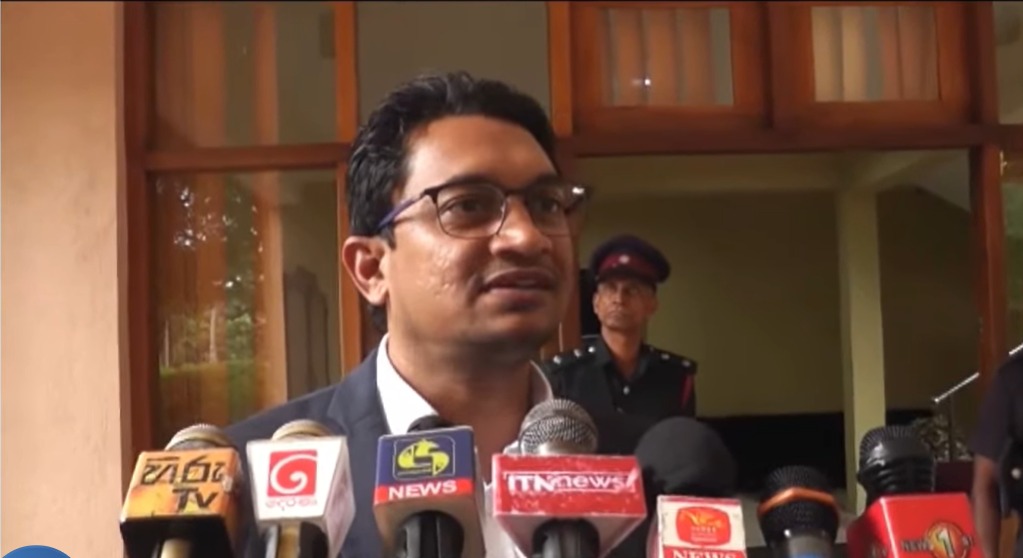
Sri Lanka's Deputy Minister of Industry stated that two additional taxes proposed by the International Monetary Fund are not currently needed, citing improved tax collection and revenue performance exceeding targets.
The Government has indicated it does not require the implementation of two additional taxes that the International Monetary Fund has put forward, according to Deputy Minister of Industry and Entrepreneurship Development Chathuranga Abeysinghe. He attributed the reduced necessity for new tax measures to strengthened revenue collection performance that has surpassed budgetary targets.
Abeysinghe explained that tax collection efforts targeting previously non-compliant taxpayers have contributed to the improved revenue position. "We are now collecting taxes from those who previously did not pay taxes, and we have exceeded our revenue targets," he stated, noting that ongoing discussions with the IMF centre on demonstrating why additional levies are not required at this time.
Looking ahead, the Deputy Minister signalled plans to reduce certain tax rates, particularly on indirect taxation, by expanding the overall tax base. He also mentioned that fuel taxes could be eliminated once the Ceylon Petroleum Corporation and Ceylon Electricity Board clear their respective outstanding debts to the state.
The forthcoming Budget is anticipated to prioritise cost-of-living relief measures, with increased funding allocated to health, education, and public transportation services. These budgetary adjustments are expected to be accompanied by modifications to the country's broader tax framework, according to Abeysinghe's comments.



-848812_850x460.jpg)