Tensions between the United States and Iran have intensified following a new round of American military strikes, with Tehran vowing immediate counteraction. The escalation threatens to destabilize Middle Eastern shipping routes and energy markets.
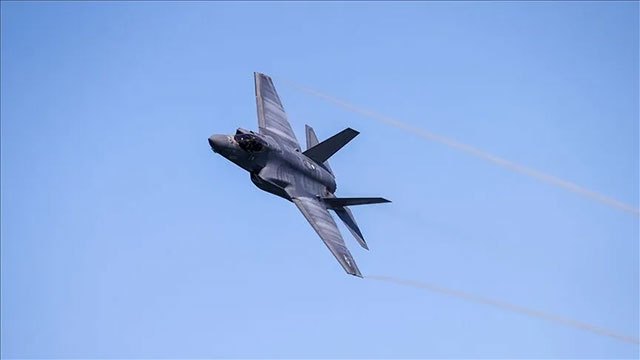
The U.S. military completed a significant air campaign against Iranian targets overnight, striking dozens of facilities operated by the Islamic Revolutionary Guard Corps across multiple cities. The operation targeted military command centers, missile and drone facilities, and coastal defense installations, according to U.S. Central Command. The strikes resulted in at least three IRGC members killed in northwestern Iran, along with three civilians on Qeshm island, according to Iranian state media.
In response, Iran's powerful military body issued a direct warning that "the aggressor will be punished today," signaling that the cycle of retaliation would continue. The renewed hostilities follow an Iranian attack on American forces that President Trump said warranted a forceful response. This latest escalation shattered recent diplomatic efforts aimed at de-escalating tensions between the two nations.
The conflict is increasingly drawing in neighboring countries and threatening critical global infrastructure. Jordan intercepted an Iranian barrage, while Egypt reported a drone strike that caused fires at two natural gas vessels at a Mediterranean port, though responsibility remains unclear. Saudi Arabia has also joined military operations alongside the United States. These developments have raised concerns about disruptions to world energy supplies, with oil prices climbing as markets react to the uncertainty.
Shipping through the strategically vital Strait of Hormuz, which normally carries approximately 20 percent of global oil, has become a focal point of tension. While some vessel traffic continued through the waterway, broader maritime activity through regional chokepoints remains constrained by ongoing military operations and safety concerns.