
A violent disturbance at Mahara Prison that resulted in one death has reignited calls for urgent reform, with rights groups and opposition politicians pointing to severe overcrowding and deteriorating conditions across the country's prison system.
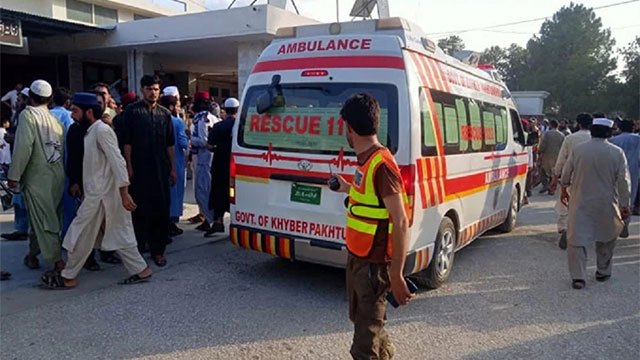
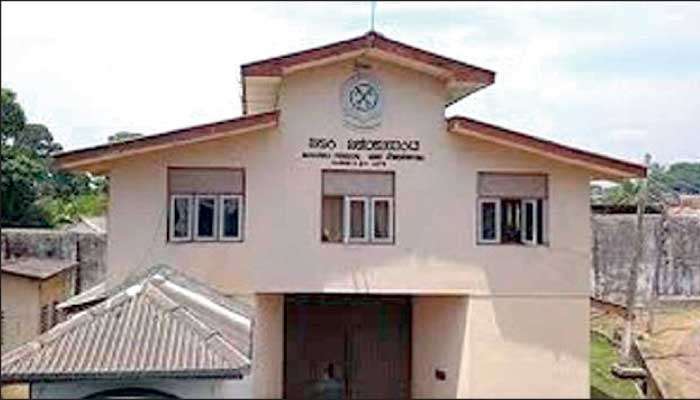
A riot at Mahara Prison that began on Saturday afternoon and extended into Sunday morning has been brought under control following a coordinated security operation involving prison authorities, police, special forces, and military units. The incident left one inmate dead and several others injured, while causing extensive damage to prison infrastructure including administrative offices, hospital facilities, and rehabilitation centers. A police curfew was temporarily imposed in surrounding areas, and 104 inmates were subsequently transferred to seven other facilities.
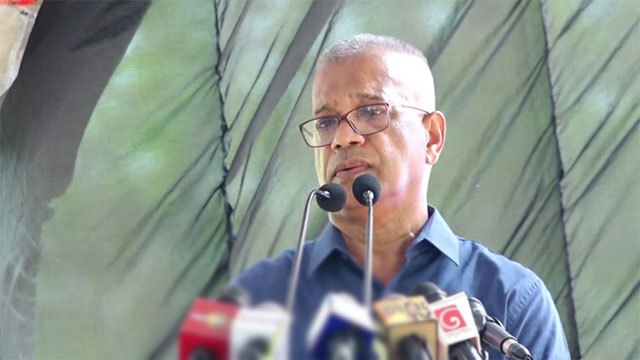
Prison rights advocates have attributed the unrest directly to chronic overcrowding and substandard living conditions. According to the Committee for Protecting Rights of Prisoners, Mahara Prison is holding 4,447 inmates despite a capacity of only 991 beds—more than four times its intended occupancy. Nationally, the situation is more severe: Sri Lanka's 22 prisons designed to accommodate approximately 11,000 inmates are currently sheltering over 41,000 convicted prisoners, plus thousands of remand detainees. Committee chairman Senaka Perera alleged that prison officials delayed responding to the initial disturbance, allowing tensions to escalate, and claimed authorities have concealed the actual conditions within the facility.
Government officials stated that investigations into the incident's cause are continuing while damage assessments proceed. The Department of Prisons suspended family visits temporarily to enable repairs. Senior police officials announced increased security measures at major prisons nationwide.
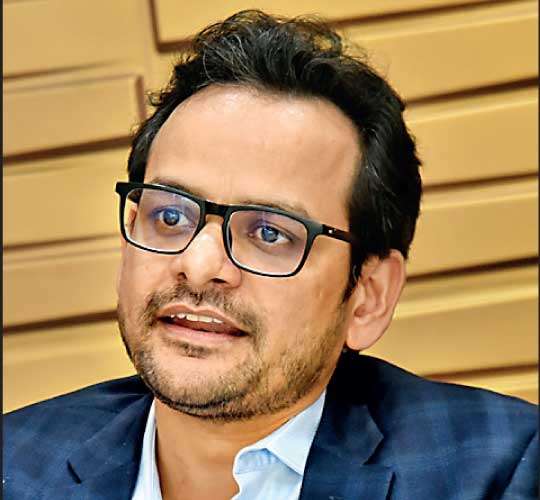
The incident marks the second major prison disturbance in weeks, following an earlier riot at Negombo Prison. Opposition politician Namal Rajapaksa characterized the unrest as symptomatic of institutional failure rather than an isolated security breach, pointing to what he described as poor management, inadequate infrastructure, and the absence of a permanently appointed Commissioner General for the Department of Prisons. He argued that temporary security measures alone cannot address underlying systemic problems.