Citigroup's chief economist for India and Sri Lanka has praised the country's economic recovery as consistently exceeding expectations, though he warns that certain sectors remain below pre-crisis levels and sustaining growth amid geopolitical headwinds presents ongoing challenges.
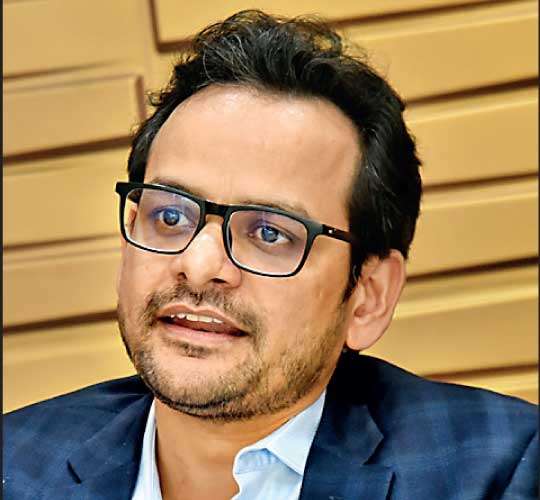
Sri Lanka's economic performance has defied market forecasts with surprising consistency, according to Baqar Zaidi, Director and Economist at Citigroup for India and Sri Lanka. Speaking to the Daily FT, Zaidi described the recovery as "remarkable," noting that the country has achieved positive growth across successive quarters while maintaining approximately 5% expansion despite fiscal constraints. He attributed this resilience to inherent domestic demand within the private sector and to the government's implementation of comprehensive reforms paired with policy and macroeconomic stability.
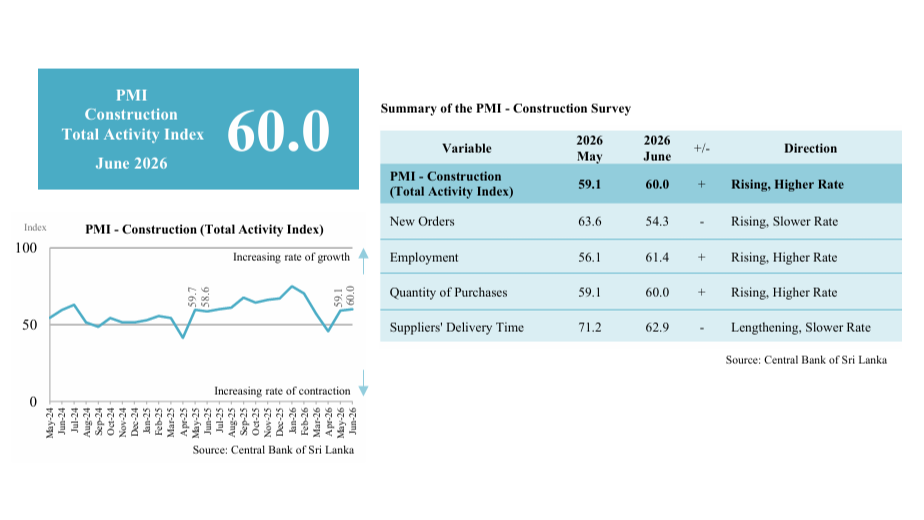
The recovery has been achieved amid considerable external and internal pressures, including high US tariffs, Middle East supply disruptions, and natural disasters such as Cyclone Ditwah. Zaidi highlighted that continued growth signals the economy's capacity to adapt to shocks. However, he cautioned that beneath headline figures, significant disparities persist. Construction and mining sectors, despite recording double-digit growth, remain 25-30% below their 2018 activity levels, indicating incomplete recovery across all economic segments.
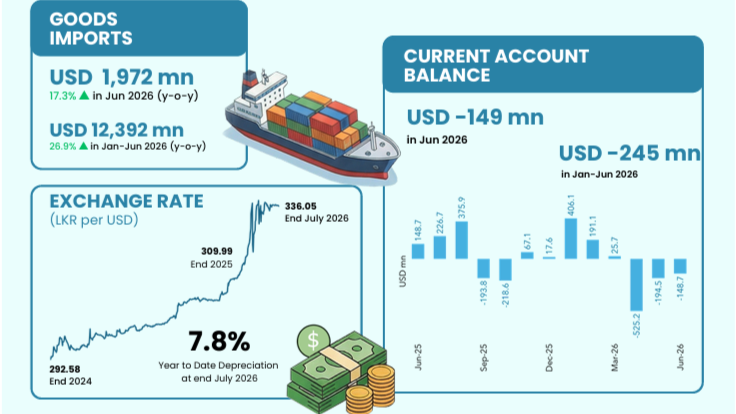
On debt sustainability, Zaidi offered a measured assessment. While acknowledging that absolute debt levels remain elevated, he noted that Sri Lanka is outperforming International Monetary Fund projections across critical metrics including servicing capacity and financing arrangements. He expressed confidence in the country's ability to meet external debt obligations from 2028 onwards, provided macroeconomic stability persists. The primary risk factor identified relates to global supply shocks that could pressure foreign exchange reserves and the current account.
Zaidi emphasized the importance of maintaining momentum with IMF reform implementation while capitalizing on regional opportunities. He suggested that Sri Lanka should strengthen ties with India's growing economy through manufacturing partnerships, renewable energy development, and services sectors such as logistics and IT, leveraging the nation's educated workforce and geographic positioning.