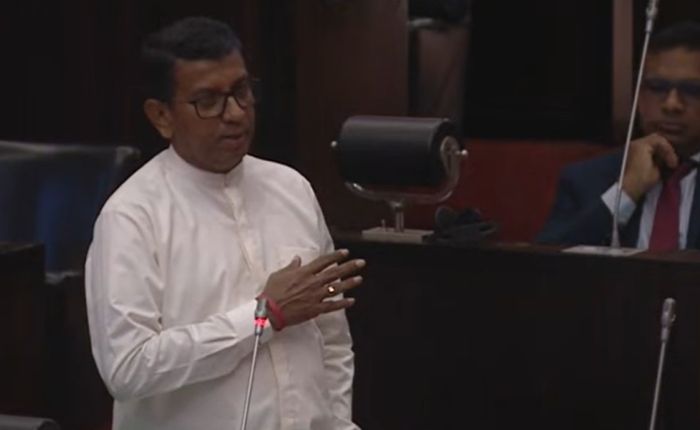

Sri Lanka's Deputy Minister of Finance has rejected opposition claims of imminent debt default risk, asserting the country's economic recovery is on track with foreign reserves expected to reach USD 8 billion by end of 2026.
Deputy Minister of Finance and Planning Dr. Anil Jayantha has firmly countered assertions that Sri Lanka faces difficulties in meeting its foreign debt obligations, characterizing such claims as based on misleading interpretations of economic data. According to Dr. Jayantha, foreign reserves should be understood as a protective cushion rather than the sole measure of economic health, and the government has deliberately prioritized maintaining economic activity and attracting investment while building reserves simultaneously.
The Deputy Minister highlighted that Sri Lanka currently maintains approximately USD 6.5 billion in foreign reserves despite facing external pressures including Cyclone Ditwah and elevated global fuel prices. He stated that the government projects reserves will climb to around USD 8 billion within six months, a figure he characterized as sufficient to cover debt servicing and support economic needs. According to government projections, Sri Lanka's peak annual debt repayment requirement over coming years is approximately USD 3.8 billion in 2028, with 2027 obligations slightly exceeding USD 2 billion.
Dr. Jayantha attributed confidence in these projections to expected inflows from multiple sources. The balance of payments current account is anticipated to generate nearly USD 900 million, while the International Monetary Fund and other development partners have committed approximately USD 350 million in policy-based financing, with collective funding expected to exceed USD 1 billion. Additionally, foreign direct investments through the Board of Investment and Colombo Port City are projected to contribute another USD 1 billion over the next six months.
The Deputy Minister also noted improvements in the banking sector's net foreign assets position, which rose to approximately USD 3.8 billion by June, up from negative levels when the current administration took office. He accused opposition groups of attempting to generate public anxiety through distorted technical data rather than engaging with broader economic indicators, which he said demonstrate progress in growth, inflation control and fiscal management.