A senior member of the Jammu Kashmir Joint Awami Action Committee has rejected Pakistani government allegations that the protest movement is financed or directed by India, insisting the campaign is rooted in local grievances over electricity costs, governance, and political representation.
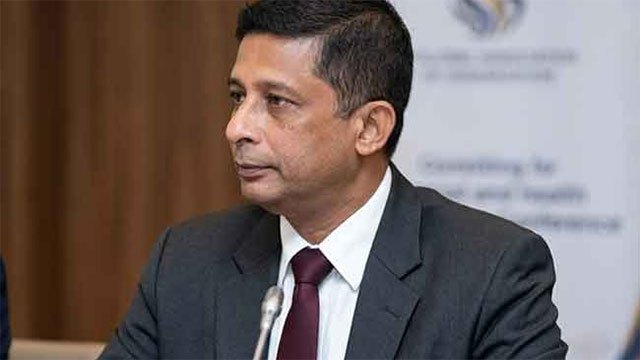
The Jammu Kashmir Joint Awami Action Committee has denied receiving support from India, challenging the Pakistani government's repeated claims of foreign interference in the region's ongoing civil unrest. In an interview, SA Khan, a member of the committee's advisory council, stated the movement is driven exclusively by domestic concerns and called on authorities to produce credible evidence of any Indian involvement. Khan characterised the allegations as unfounded, noting that statements by India's foreign ministry regarding the regional elections do not establish organisational, financial, or operational links to the protest group.
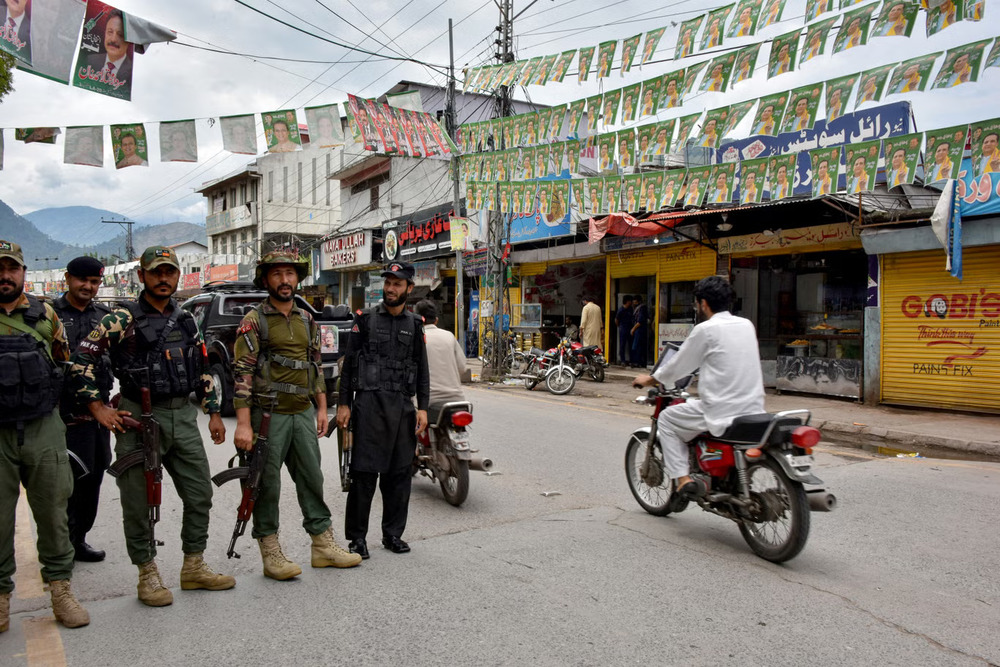
Pakistan-administered Kashmir has experienced severe political turbulence in recent months, marked by violence, an internet blackout, and accusations of police brutality during regional elections. The unrest, which began as demonstrations against rising electricity costs and commodity prices, has evolved into a broader demand for democratic reforms and greater regional autonomy. The Pakistani government banned the committee under anti-terrorism legislation in June and has alleged it functions as an armed organisation. Federal authorities later claimed investigations uncovered a digital disinformation network with Indian connections that financed online campaigns associated with the group.
Khan rejected characterisations of the movement as armed, affirming its commitment to peaceful protest. He emphasised that the core demands centre on "Haq-e-Hukmrani" (the right to self-governance) and equitable resource management. A central grievance concerns twelve legislative seats reserved for refugees from Indian-administered Kashmir, which Khan argued should not determine regional governance despite representing external voters. He stressed the movement does not seek to strip refugee representation but rather to address structural voting disparities.
Figures regarding casualties vary considerably between sources. Documentation provided to the committee by the Jammu Kashmir Human Rights Observatory reported at least 88 civilian deaths by August 3, while Amnesty International's late July report cited at least 40 deaths including both civilians and security personnel. Khan acknowledged the difficulty in establishing precise casualty figures due to restricted hospital access and limited official records. He expressed regret for all deaths, including security personnel, while rejecting collective blame for the movement and calling instead for individual accountability through lawful proceedings.