Sri Lanka's services and manufacturing sectors showed growth in July 2026, while the state-owned Bank of Ceylon announced a 10 billion rupee capital raising plan. The government also secured a $200 million ADB loan for post-cyclone reconstruction.
Sri Lanka's economic activity continued to expand during July 2026, with the services sector recording notable growth. The Purchasing Managers Index for services reached 61.4, up from 58.5 in June, driven by improvements in transportation, financial, and professional services. Employment increased alongside this expansion, though the central bank noted that backlogs of work also rose. The manufacturing sector similarly expanded, with its PMI registering 55.0 compared to 53.0 previously, supported by broad-based improvements across all sub-indices, particularly in food and beverage production.
Despite these positive indicators, the central bank maintained a cautious outlook, citing ongoing global uncertainties and supply-chain pressures that continue to lengthen supplier delivery times. Business sentiment for the coming quarter remains optimistic, buoyed by expectations of increased tourist arrivals during the Kandy Esala Perahera season.
In banking developments, Bank of Ceylon announced plans to raise 10 billion rupees through the issuance of Basel III compliant subordinated perpetual bonds. The state-owned institution will offer up to 50 million bonds initially, with options for an additional 50 million if oversubscribed. The bonds will carry a floating interest rate calculated as the 12-month Treasury Bill rate plus 2.00 percent annually. The capital will strengthen the bank's Tier 1 Capital and capital adequacy ratio.
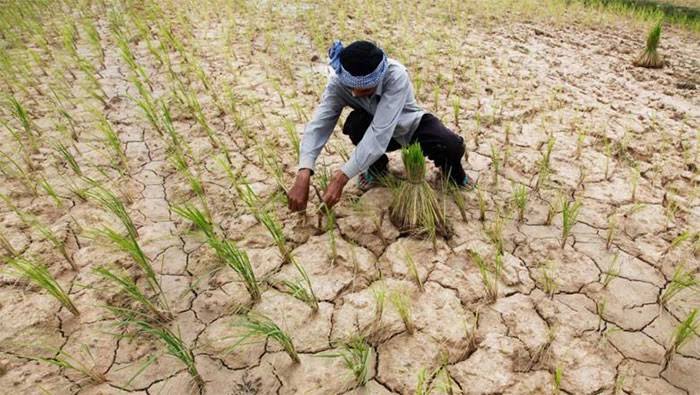
Meanwhile, Sri Lanka secured a $200 million loan from the Asian Development Bank to fund a five-year post-Cyclone Ditwah reconstruction program spanning 2026 to 2030. The funds will finance rehabilitation of cyclone-damaged roads, restoration of irrigation systems, and livelihood support for affected households. Cyclone Ditwah caused widespread damage across rural, coastal, and upcountry communities, disrupting agricultural production and rural livelihoods.