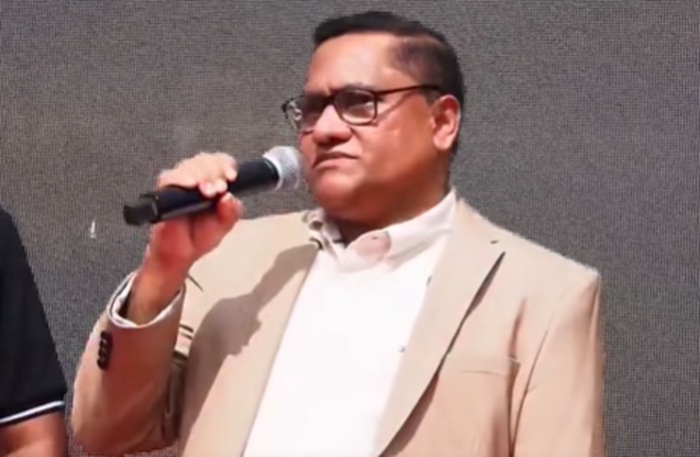
Central Bank Governor Nandalal Weerasinghe has indicated that Sri Lanka's economic growth will likely decelerate in the latter half of 2026 due to restrictive monetary policy and elevated inflation, though he expects conditions to stabilize toward the end of the year.
Sri Lanka's economic expansion is projected to slow to between 4 and 5 percent during the second half of 2026, according to Central Bank Governor Nandalal Weerasinghe. The anticipated deceleration stems from the monetary tightening measures implemented by the central bank and the current elevated price environment affecting the economy.
Inflation has emerged as a significant concern, climbing to 7.3 percent in July—the highest level since June 2023. The Central Bank attributed much of this increase to the government's IMF-supported decision to adopt cost-reflective pricing for energy products, which resulted in fuel prices rising by more than 50 percent over a two-month period. In response to rising price pressures, the Central Bank raised its key policy rate by 100 basis points in May and maintained rates at their current levels in subsequent months, determining that existing rates were sufficient to manage inflationary trends.
Despite the near-term slowdown, Weerasinghe expressed cautious optimism about the broader outlook. He indicated that the economic impact from tighter policy would not be severe, with growth potentially returning to approximately 5 percent and beyond in subsequent years as conditions normalize. The governor suggested that inflation could stabilize around the Central Bank's 5 percent target by year-end or early 2027, contingent on oil prices remaining around $80 per barrel. However, he acknowledged that unexpected fluctuations in global oil prices could present additional challenges to managing inflation.