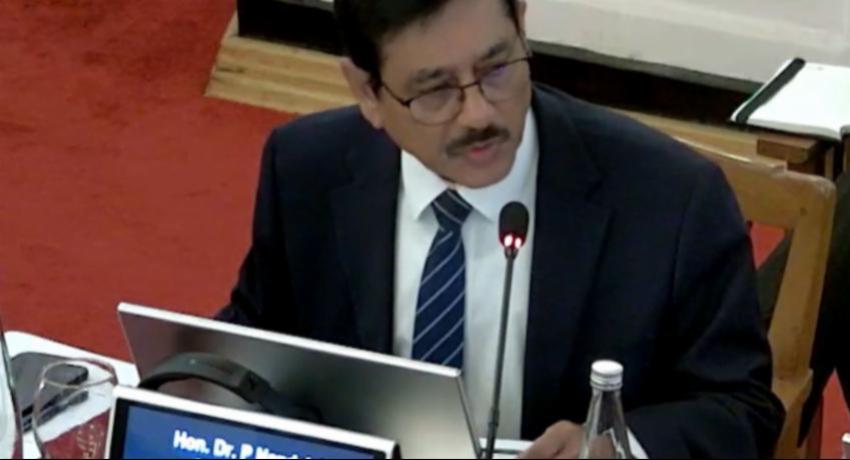
Sri Lanka's government will decide whether to remove the customs surcharge on vehicle imports after December 31 based on the country's foreign exchange situation, according to Deputy Minister Chathuranga Abeysinghe.
The continuation of Sri Lanka's customs surcharge on vehicle imports beyond the end of the year remains uncertain, with the government's decision contingent on the nation's foreign exchange reserves, according to Deputy Minister of Industry and Entrepreneurship Development Chathuranga Abeysinghe.
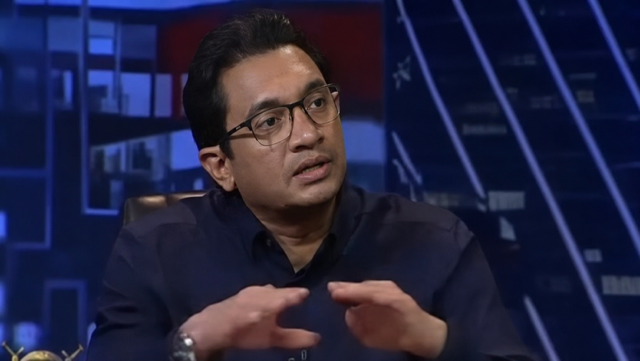
Speaking during a televised political discussion, Abeysinghe explained that vehicle imports had resumed following earlier restrictions aimed at protecting foreign exchange reserves. The government initially anticipated imports valued at approximately $1.8 billion, but the figure has risen to about $2.1 billion when taxes and additional charges are factored in. The surge in vehicle imports has simultaneously increased fuel demand, prompting the government to implement temporary measures to moderate import velocity, including the introduction of the customs surcharge.
Abeysinghe emphasized that strengthening foreign exchange reserves remains a priority before the government can ease such measures. He did not confirm whether the surcharge would be eliminated after December 31, stating the decision would ultimately depend on Sri Lanka's foreign exchange position at that time.
Looking ahead, the Deputy Minister indicated that the government expects indirect, direct, and import taxes to decline gradually as the tax base expands and collection improves. On the possibility of reintroducing vehicle import permits, Abeysinghe noted the government could consider this option once foreign exchange reserves and state revenue stabilize. The administration's long-term objective is to reduce the overall tax burden on citizens and improve vehicle affordability, though any changes will be implemented incrementally.