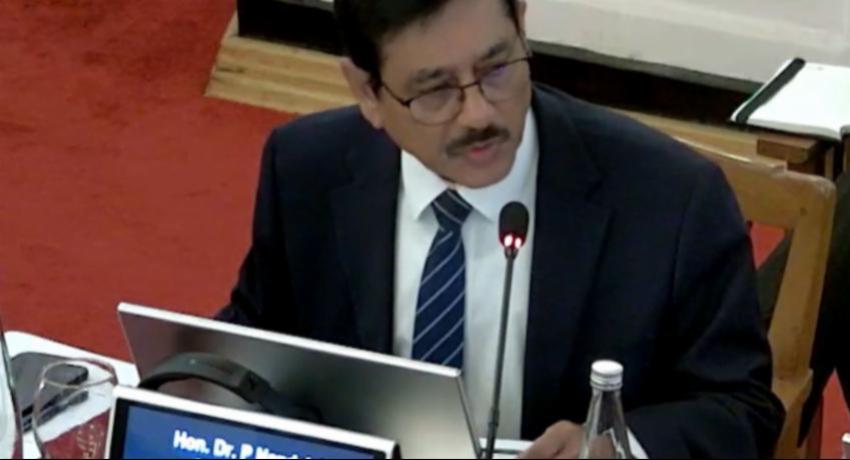
Sri Lanka's economy has recovered to near pre-crisis size with expected GDP growth around 5 percent this year, marking the third consecutive year of expansion, according to Central Bank Governor Dr. Nandalal Weerasinghe.
Sri Lanka's economic recovery has progressed significantly, with the nation's gross domestic product returning to approximately the same levels recorded before the country's severe balance of payments crisis, Central Bank Governor Dr. Nandalal Weerasinghe stated. The Governor characterised the recovery as exceptionally rapid compared to other nations emerging from comparable crises, noting that the country's turnaround has attracted international attention as a potential model for economic stabilisation.
Economic growth is projected at close to 5 percent for the current year, continuing a three-year expansion trend. The Governor indicated that growth in the first half of the year would remain near 5 percent, though the second half may experience slightly slower expansion due to external pressures including Middle East tensions and elevated global energy prices. Despite these headwinds, annual growth is anticipated to fall within a healthy 4 to 5 percent range, with similar trajectory expected for the following year.
Key indicators point toward strengthened financial resilience. Foreign reserves currently stand at approximately US$6.8 billion, with projections reaching nearly US$8 billion by year-end. The government's primary surplus has exceeded the International Monetary Fund's 2.3 percent target, while inflation at around 7 percent remains above the Central Bank's 5 percent target, though the Governor attributed this primarily to external factors involving transportation and energy costs. Tourism earnings and remittances have performed notably well, contributing substantially to recovery efforts.
Structural improvements have reinforced the economy's stability. Sri Lanka has achieved current account surpluses for three consecutive years, a historical milestone. Revenue collection has doubled from approximately 8 percent of GDP during the crisis to roughly 16 percent currently. The successful debt restructuring programme has created manageable repayment obligations, with annual debt servicing expected to remain below US$4 billion over the coming decade. The Governor expressed confidence that discussions with international credit-rating agencies could result in an upgrade from the current CCC category to a B-level rating, restoring the nation's pre-crisis standing.