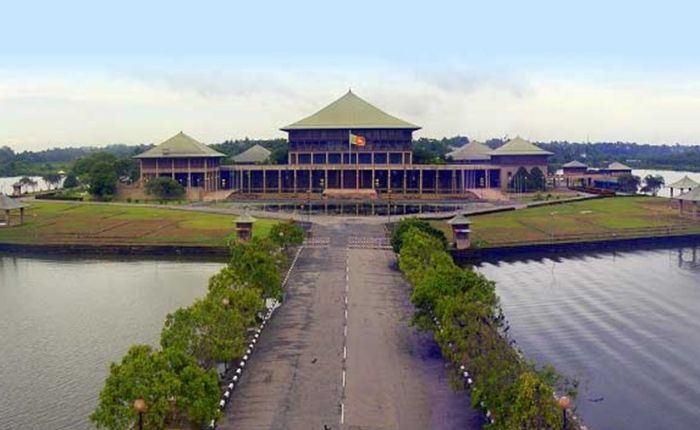
A special audit by the Auditor General's Department has revealed significant financial mismanagement in Sri Lanka's Parliament, including excessive fuel consumption by senior officials, outdated salary structures, and millions spent on foreign travel with no accountability measures.
A comprehensive audit of Parliament's operations during the Eighth and Ninth sessions has uncovered substantial financial irregularities spanning fuel privileges, salary administration, and expenditure oversight. The Auditor General's Department attributed many of these issues to Parliament operating under the Parliamentary Staff Act of 1953—last amended in 1959—rather than the Public Financial Management Act No. 44 of 2024, which governs all other government budgetary entities.
Fuel consumption among senior parliamentary officials showed particularly dramatic increases. The former Speaker consumed an average of 3,994 litres monthly in 2023, rising to 6,122 litres in 2024, with annual fuel costs climbing from Rs. 19.37 million to Rs. 26.05 million. The Deputy Speaker received 21,299 litres of fuel worth Rs. 8.55 million for a private vehicle during 2023–2024, in addition to three official vehicles that exceeded allocations. The Secretary-General used 15,063 litres worth Rs. 6.07 million over three years, averaging 2,300 litres more annually than ministry secretaries in comparable positions.
Additional concerns include the Secretary-General's salary, which has increased approximately 800% since parliamentary approval in 2004 without fresh sanction, and a Rs. 335.66 million bus service for employees operating without a formal written agreement. Parliament spent Rs. 208.9 million sending 451 MPs overseas between 2016–2024, with no requirement for outcome reports. The audit also identified a 34 percent discrepancy in library book inventory and 159 unfilled approved posts as of December 2025.
The Auditor General recommended urgent legislative reforms, including alignment with modern financial management standards, strengthened controls on fuel and vehicle privileges, and formal parliamentary approval for senior salary structures.