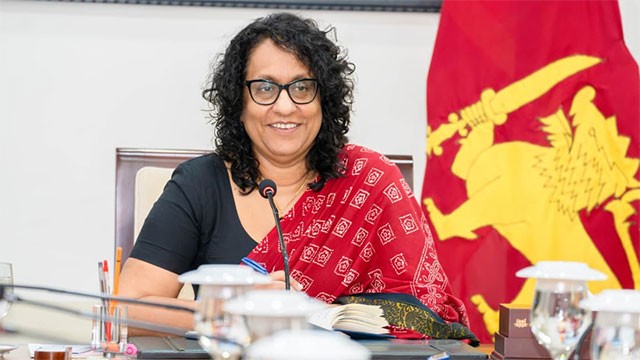
Prime Minister Dr. Harini Amarasuriya has emphasised that addressing Sri Lanka's growing burden of non-communicable diseases requires more than providing meals to schoolchildren, calling instead for comprehensive efforts to promote healthier eating habits and nutritional awareness.
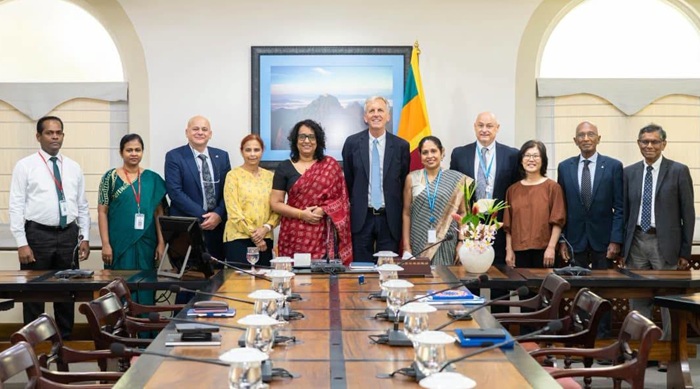
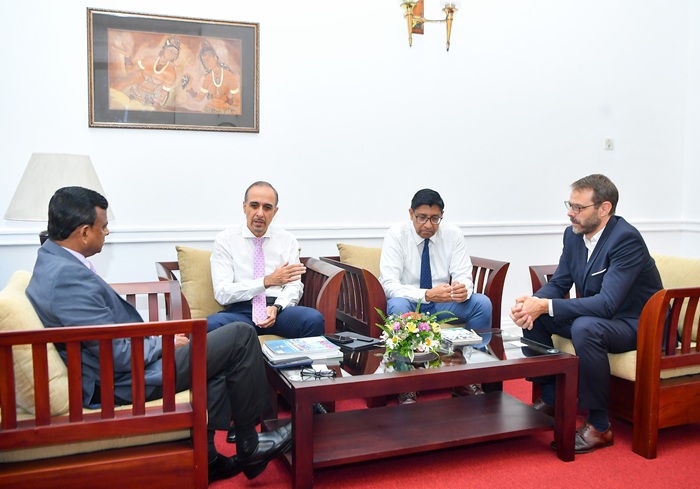
Prime Minister Dr. Harini Amarasuriya met with representatives of the World Food Programme at Temple Trees to discuss strengthening school nutrition programmes and tackling wider health challenges. During the meeting, the PM stressed that the rising prevalence of non-communicable diseases (NCDs) demands a deeper examination of underlying causes, with particular focus on nutrition's role in prevention.
The Prime Minister outlined a vision for school nutrition programmes that extends beyond simply distributing meals to targeted communities and families. Instead, she advocated for initiatives that actively promote healthier dietary choices, establish better eating practices, and build nutritional literacy among students. She highlighted that these efforts must be integrated with stronger primary and preventive healthcare systems to be effective.
Currently, the government's nutrition interventions operate at multiple levels, including targeted schools, identified families, and early childhood education settings. The PM stressed the importance of grounding nutrition and health policies in research and evidence-based understanding of Sri Lanka's specific nutritional and health challenges.
The World Food Programme confirmed its commitment to supporting Sri Lanka's nutrition initiatives and expressed openness to expanding cooperation with the government and other stakeholders. WFP officials also advocated for strengthened collaboration among universities, the Ministry of Education, UN agencies, and other institutions to enhance the effectiveness of nutrition programmes throughout the education sector.