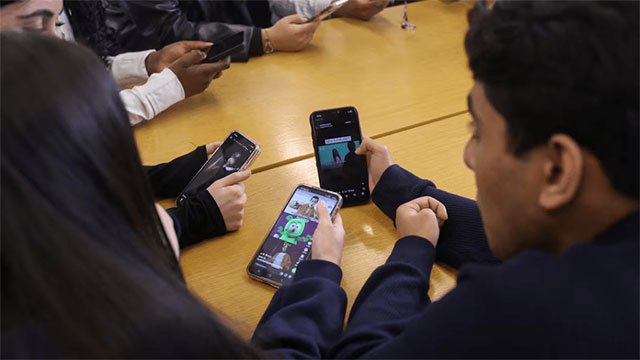
Australia's landmark ban on social media for children under 16, introduced in December, shows limited effectiveness three months in, with over 80% of teenagers still using platforms despite the restrictions.
Australia's government has defended its world-first social media ban for minors following concerning findings about its implementation. The policy, introduced in December due to health concerns, has attracted international attention as other nations consider similar measures. However, data released by the nation's internet regulator revealed that compliance remains a significant challenge.
According to the eSafety regulator's findings, more than eight in ten Australian teenagers aged 10 to 15 continued using social media three months after the ban took effect on December 10. The study also found that usage frequency remained unchanged compared to pre-ban levels, and parental awareness of their children's online activities had actually decreased during the period.
Responding to the data, Assistant Minister Andrew Leigh acknowledged the enforcement difficulties but argued the legislation had achieved broader cultural impact. Leigh noted that millions of accounts had been shut down and compared the situation to other age-restricted laws, stating the government did not expect perfect compliance. He emphasized that the ban had shifted conversations among parents about social media's role in children's lives.
Given these findings, the Labor government has announced plans to strengthen enforcement measures, including doubling the maximum penalties imposed on technology companies that fail to comply with the restrictions. The policy has drawn criticism from major social media platforms, primarily U.S.-based companies, as other countries monitor Australia's experience with the legislation.


-849161_850x460.jpg)