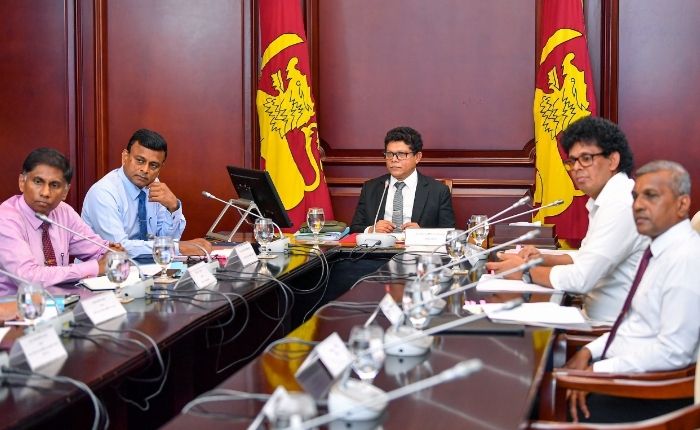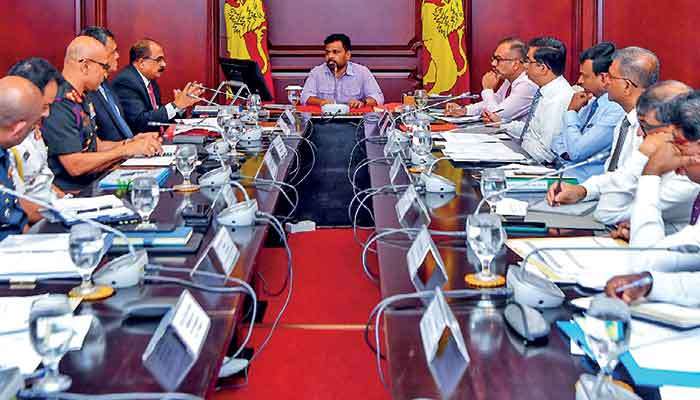
Sri Lanka's government is considering a program to utilize defence personnel as labour in the construction sector, discussed during the Defence Ministry's 2027 pre-Budget meeting chaired by President Anura Kumara Dissanayake.
The Government is examining ways to boost labour contributions from military personnel toward construction activities as part of its planning for 2027 resource allocation. The proposal emerged during a Defence Ministry pre-Budget meeting held at the Presidential Secretariat, according to the President's Media Division. However, specific details regarding the program's structure, expected participant numbers, construction categories and financial requirements remain undisclosed.
The construction industry has faced persistent challenges with workforce availability, struggling with insufficient skilled labour and rising employment costs alongside elevated expenses for imported building materials. Officials view defence personnel participation as a potential solution to address these sectoral constraints. The proposal formed part of a broader discussion on defence sector priorities that included organizational restructuring and technology modernization initiatives.
President Dissanayake directed officials to consolidate separate research and development centres operated by the Army, Navy and Air Force into a unified national facility to improve operational efficiency. The meeting also addressed accelerated adoption of advanced technology and equipment, increased overseas training allocations for defence personnel professional development, and hospital operations including the General Sir John Kotelawala Defence University Hospital and the planned Neville Fernando Hospital.
Defence remains a significant budgetary item, with the 2026 allocation totalling Rs. 455 billion—comprising Rs. 395 billion in recurrent expenditure and Rs. 60 billion in capital spending. Analysis by Verité Research has highlighted concerning trends in defence spending patterns, noting that expenditure on diets and uniforms across the sector increased by 299 percent between 2022 and 2026, substantially outpacing the cumulative inflation rate of approximately 80 percent over the same period.