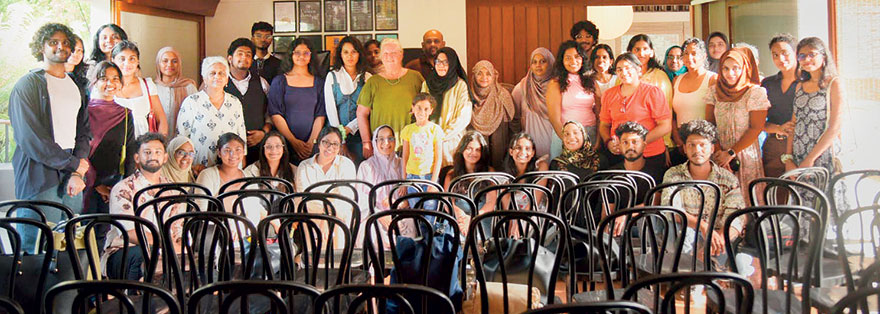
A growing literary movement centred on Colombo Poets is reshaping how Sri Lankans engage with poetry through live events, spoken-word performances and a new trilingual mobile application that has attracted over 2,000 users.
Sri Lanka's poetry community is experiencing a renaissance, driven largely by the efforts of Colombo Poets, an organisation established in 2015 as a platform for writers and musicians to share their work. The movement gained significant momentum following a pandemic-related pause, with the community relaunching in late 2024 through an expanded calendar of literary events held across venues in Colombo, from cafés to cultural institutions like the Goethe-Institut. The reach has extended beyond the capital, with writers from different linguistic and cultural backgrounds gathering in cities such as Batticaloa.
A defining moment came with the launch of Colombo Poets' mobile application, described as Sri Lanka's first trilingual platform dedicated to poetry and prose. Operating under the motto "Give a World to Your Words," the application has grown to more than 2,000 users and provides writers with a digital space to publish and interact while avoiding hate speech and plagiarism. The platform extends beyond simple publishing, offering weekly writing prompts, workshops, competitions and author interactions to maintain engagement.
Sakina Mohammed, who serves as Programme Director, exemplifies the community's ethos. Her journey from childhood poetry notebooks to published anthology author and public speaking advocate reflects how the movement creates space for personal discovery. "Poetry has the power to bring people together, regardless of language, culture or background," Mohammed stated. The organisation's leadership team, including founder Shahul Hameed and Chief Technology Officer Pranavan Nadaras, continues to expand the initiative.
Future ambitions are substantial. Colombo Poets plans to establish trilingual Open Mic programmes in Jaffna, Kandy and Galle, while launching a dedicated junior community for aspiring writers aged three to eighteen. These expansions suggest the movement is positioning itself as a nationwide literary network rather than a Colombo-centred initiative.