Category one Hurricane Lala swept past Hawaii's Big Island on Saturday, bringing destructive winds, heavy rainfall, and widespread power outages across the archipelago.
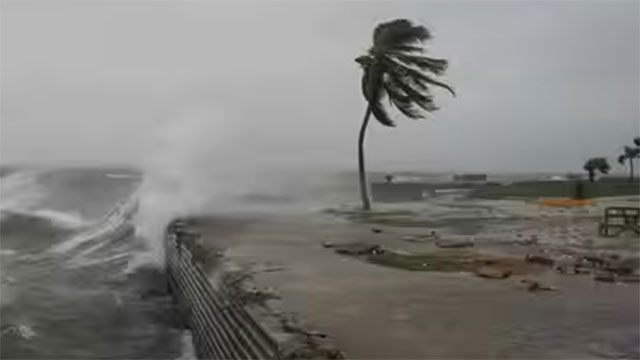
Hurricane Lala passed within 30 miles of Hawaii's Big Island on Saturday, bringing severe weather conditions across the state. The storm, which reached category one strength, generated wind speeds peaking at 91 miles per hour and is expected to dump up to 25 inches of rain in certain areas. The National Hurricane Center reported that Lala's eye wall was brushing the southern portion of Big Island as of Saturday evening local time, with forecasters predicting the system would continue moving westward into Sunday morning.
The hurricane's approach caused significant disruption to essential services and infrastructure. Over 100,000 customers lost electrical power as of Saturday evening, with three hospitals affected, though backup generators were operational. Major airports on Big Island experienced major cancellations, with 40 percent of flights grounded at Kona International and 80 percent cancelled at Hilo International. Additionally, approximately 190 flights were postponed across the islands. In Maui, some residents also experienced water supply disruptions.
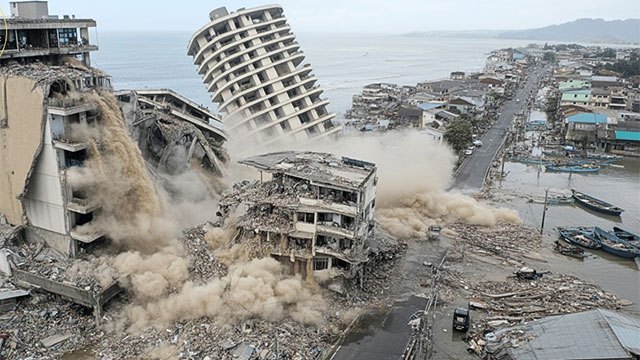
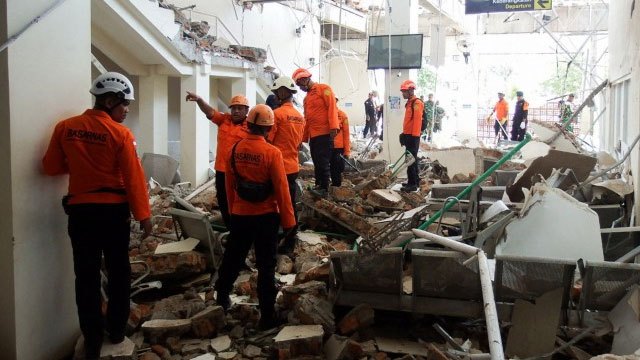
Damage assessments revealed environmental and structural impacts from the storm. Roads on Big Island flooded rapidly, with fallen trees blocking passages and crews unable to complete assessments due to dangerous conditions. A meteorologist based in Hilo reported that landslides had severed some roads and that the usually blue bay had turned reddish from sediment-laden river waters. Governor Josh Green warned residents to prepare for potentially "life-threatening" conditions, including floods and mudslides, and urged people to remain indoors.
While Lala did not make direct landfall, a hurricane warning remained in effect for Big Island, with tropical storm warnings issued for the state's other seven major islands. The National Weather Service warned that major rainfall flooding could prompt evacuations and rescues, particularly in Big Island's south-east region. One weather-related fatality was reported near South Point. Public shelters were made available across Big Island as residents prepared for the continuing threat.