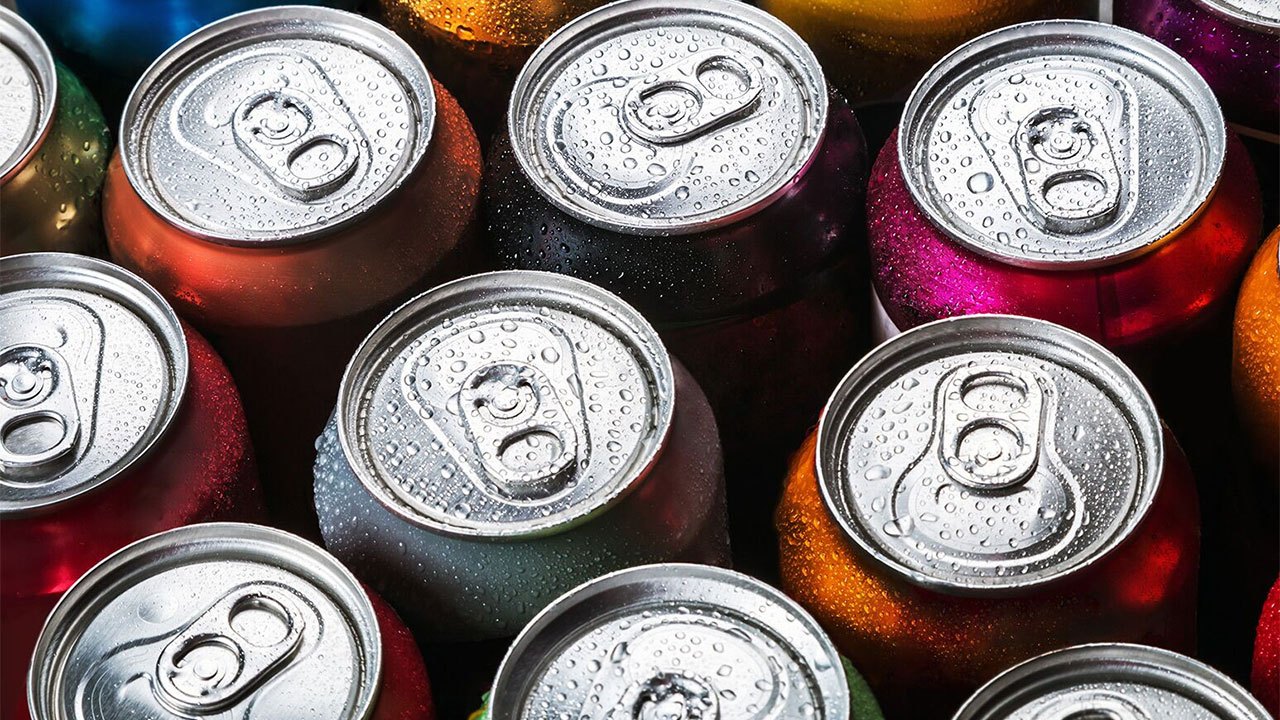
India's food safety authority has rejected requests from major beverage companies to extend a 90-day deadline for removing 'energy drink' labels, a decision that threatens significant disruption in the country's rapidly growing market.
India's Food Safety and Standards Authority of India (FSSAI) has rejected appeals from global beverage giants including PepsiCo, Red Bull, Monster Beverage, and Reliance to extend its mandatory labeling deadline beyond 90 days. According to a government source, the regulator will not budge on the July directive requiring companies to cease using the term "energy drink" on high-caffeine beverages, arguing that no Indian standards exist for such products and current labeling violates regulations.
The decision reflects growing scrutiny of the energy drink sector in India, where market growth has accelerated significantly. Euromonitor data indicates annual retail sales growth of 12.6 percent, outpacing expansion in the United States and China. Between 2018 and 2023, sales nearly doubled, reaching 907 million liters annually—equivalent to over 3 billion bottles and cans. The market expanded after PepsiCo introduced Sting in 2017, which became particularly popular among teenagers and in rural areas at affordable price points.
Beverage manufacturers argue they require at least one year to comply due to substantial inventory already in circulation and pending international orders. However, government officials counter that state assessments suggest existing stocks can be cleared within 60-90 days, and note that companies have failed to provide transparent inventory tracking across states as required by regulations. A government source stated that firms should consider themselves fortunate to avoid prosecution given their regulatory breaches.
The standoff has intensified as state governments have begun seizing energy drink stocks. Rajasthan and Ladakh have conducted enforcement drives targeting popular brands, with Ladakh announcing plans to expand seizure operations at retail and distribution points. Industry executives from major companies met with Food Processing Minister Chirag Paswan this week seeking intervention, though the ministry response emphasized commitment to sector investment and innovation without directly addressing the labeling dispute.
Globally, energy drinks face mounting health concerns related to high caffeine and sugar content, prompting regulatory action elsewhere—notably England's planned ban on sales to under-16s starting April 2025.