Iran has condemned anticipated US sanctions while shipping in the Strait of Hormuz remains severely disrupted following months of military conflict between the two nations.
Iran's government has denounced planned American economic sanctions announced for Monday, with Foreign Ministry spokesperson Esmaeil Baghaei characterizing the measures as an infringement on national sovereignty. US Treasury Secretary Scott Bessent is scheduled to unveil what officials have described as "the toughest sanctions in history" against Tehran. The Iranian leadership has warned that countries cooperating with US economic pressure will face consequences, with National Security Council secretary Mohsen Rezaei stating that Tehran would "consider them as enemies."
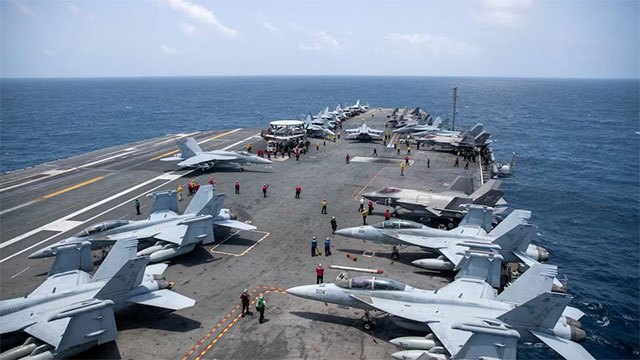
The escalating economic measures come amid an ongoing regional conflict that began in late February, during which the United States and Israel conducted military operations against Iranian targets. Despite nearly six months of hostilities, neither side has engaged in active combat recently, though both remain positioned for potential escalation. President Trump has indicated willingness to negotiate but stated that Iran has not yet made "the right deal."
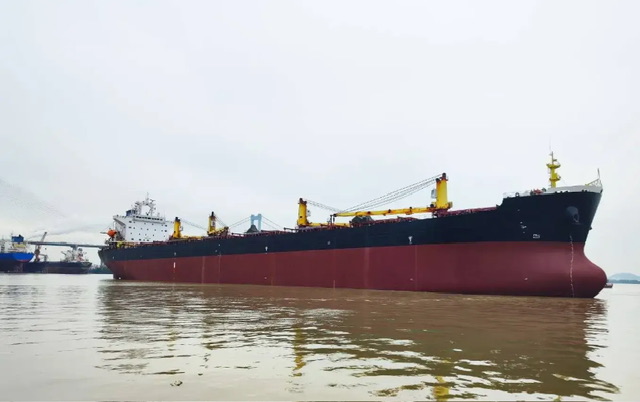
Critical shipping lanes have become a flashpoint in the standoff. Traffic through the Strait of Hormuz has plummeted from over 20 million barrels daily before the conflict to approximately 8 million barrels per day, representing roughly one-fifth of global consumption. Iran has threatened to target unauthorized vessels transiting the waterway, while the US maintains a blockade on Iranian shipping. However, Iran has recently granted permission for Iraqi oil tankers to transit the strait following Baghdad's requests.
China, which purchases over 80 percent of Iran's exported oil according to 2025 analytics data, has urged diplomatic resolution. President Pezeshkian has similarly called for ending hostilities, suggesting Iran could negotiate "from a position of power and dignity." The conflict has resulted in significant casualties, with 168 Iranian schoolchildren killed on the first day of operations, alongside hundreds of other deaths primarily in Iran.