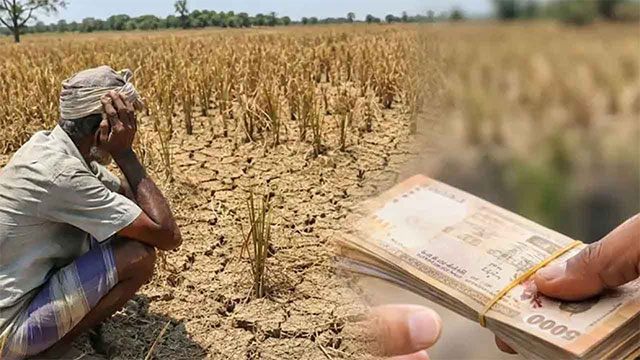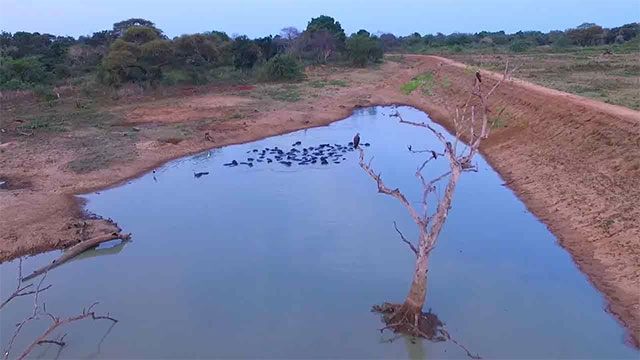
Water levels across Sri Lanka's major reservoirs have dropped significantly to 36% capacity, with several dry zone districts falling below 30%, as the island grapples with severe drought conditions exacerbated by El Niño.
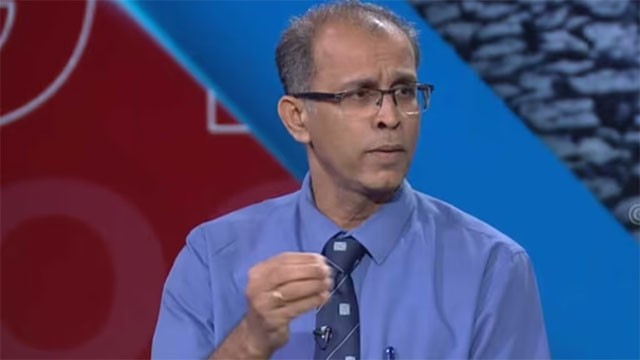
The overall water capacity of Sri Lanka's 74 major reservoirs has declined to 36%, according to the Director of Irrigation Engineer L. S. Sooriyabandara. While reservoirs in the wet zone remain relatively stable, the situation is critical in dry zone areas, particularly in the Hambantota, Batticaloa, Monaragala, Mannar, and Trincomalee districts, where some reservoirs have fallen below 30% capacity.
The Director attributed the accelerating water shortage to a combination of factors, including the El Niño climate anomaly and unusually high temperatures that are causing rapid evaporation. Although August typically sees dry conditions, this year's situation has deteriorated significantly beyond normal seasonal patterns. The confluence of these factors has created a challenging scenario where water demand continues to rise while available supplies diminish rapidly.
In response to the crisis, authorities have prioritised drinking water supplies over agricultural needs in affected areas. Sooriyabandara emphasised that while drinking water restrictions have not been implemented nationwide, water releases for irrigation have been limited in several regions. He called for conservation measures and greater environmental responsibility from the public. Additionally, the Director warned of increased wildfire risks, urging vigilance and public awareness about El Niño forecasts to enable better preparation for weather changes.
The Disaster Management Centre reported that seven districts have been significantly affected, impacting 81,865 people from 25,628 families across 23 Divisional Secretariat Divisions. In response, authorities have distributed drinking water to 72,153 people from 23,048 families across 20 divisions, with continued efforts to provide relief to affected communities.